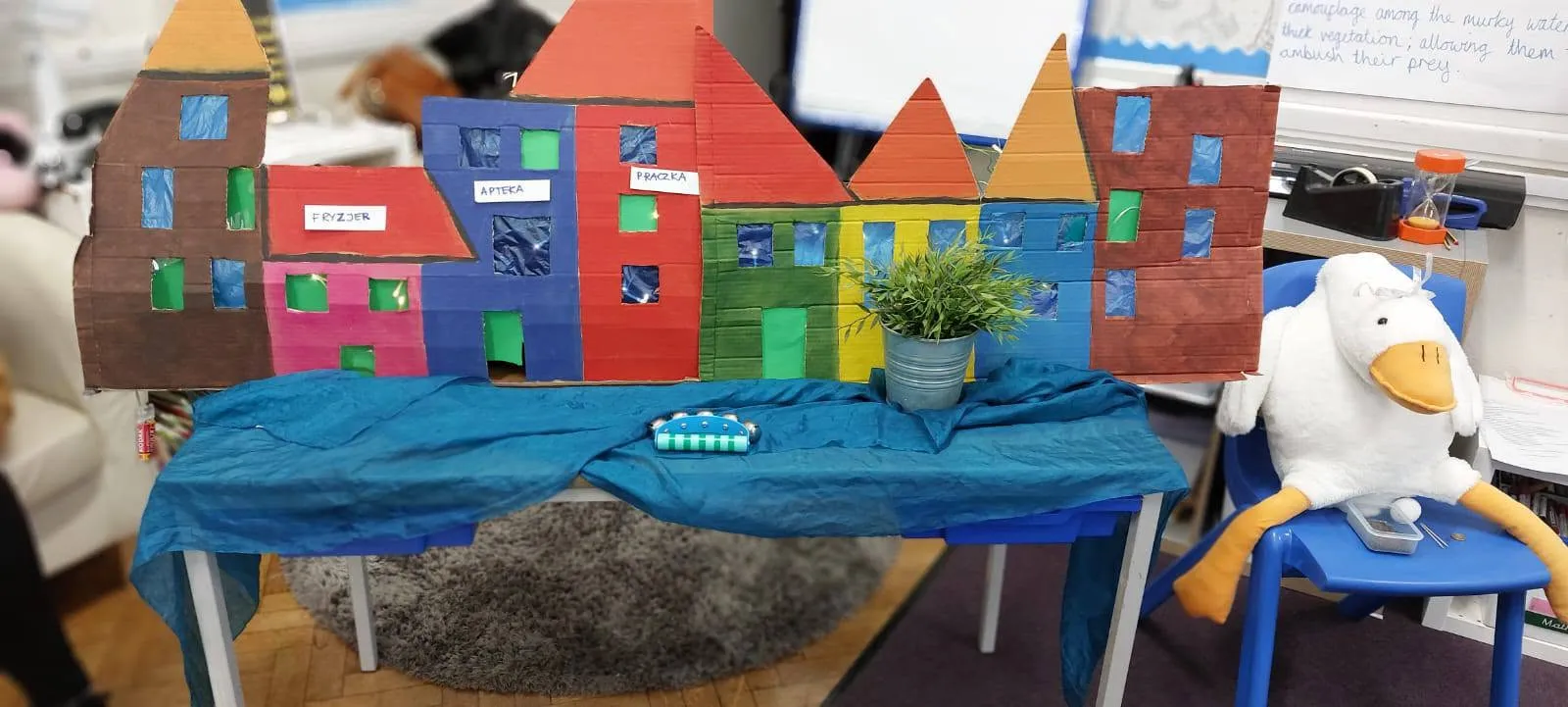


Saturday’s lesson began with a riddle: what do a ribbon, poppy seeds, an egg, a toothpick, two złoty and… a duck have in common? The pupils found the answer very quickly – it is ‘Kaczka-dziwaczka’ (The Odd Duck), one of the best-known poems by Jan Brzechwa (1898–1966).
The poem’s humour comes from its absurdity: the heroine does everything contrary to expectations, and her surprising purchases at the chemist’s and the hairdresser’s have amused young readers for generations. Its rhythm and funny rhymes make the poem easy to remember, which is especially valuable for children growing up with two languages.
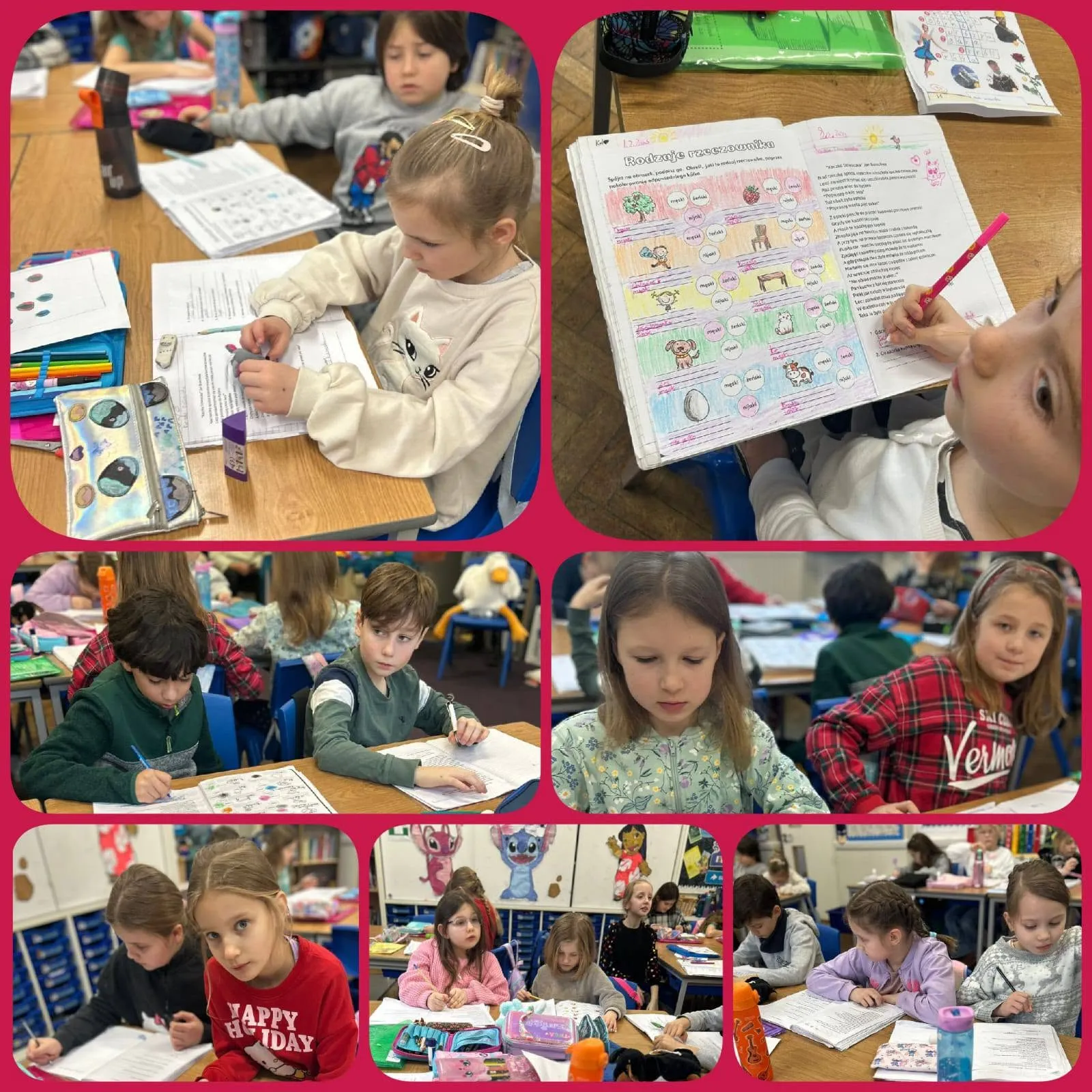
The discussion of the poem began with an explanation of the word ‘dziwaczka’, meaning someone strange, different, unusual. The pupils also learnt the meaning of new words and expressions, such as ‘na przekór’ (out of contrariness), ‘brytfanna’ (a roasting tin), ‘wykałaczka’ (a toothpick) and ‘pieszo’ (on foot). Then Ms Karolina read the poem aloud, and the class searched it for rhymes, verbs and nouns. The children answered questions in writing: where did the heroine live, what did she want to buy at the chemist’s and what at the hairdresser’s, and what did she turn into at the end? They also learnt the meaning of the expression ‘pisać drobnym maczkiem’ (literally ‘to write in tiny poppy seeds’), meaning to write in very small handwriting, gave examples of how it is used and wrote the answer in their exercise books.
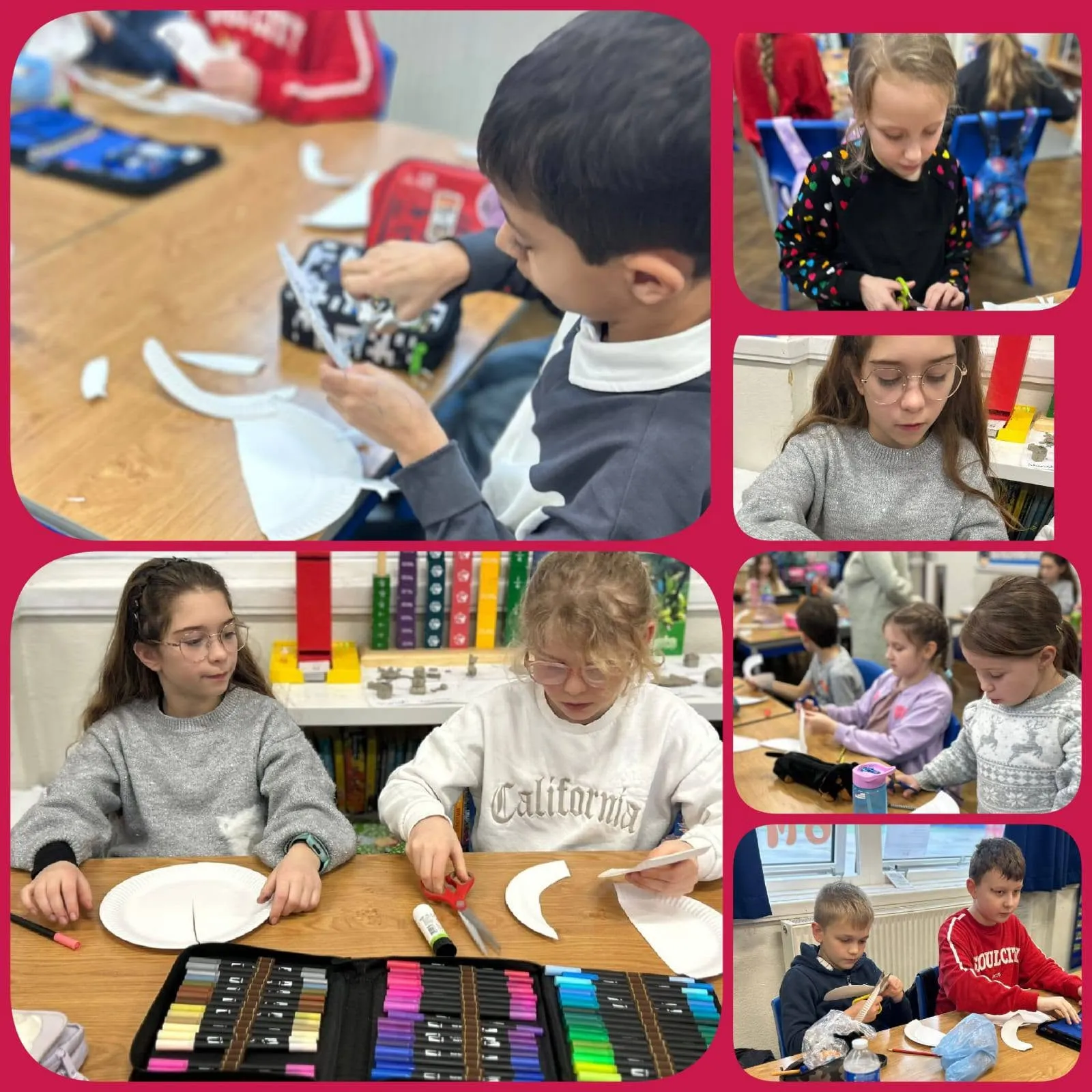
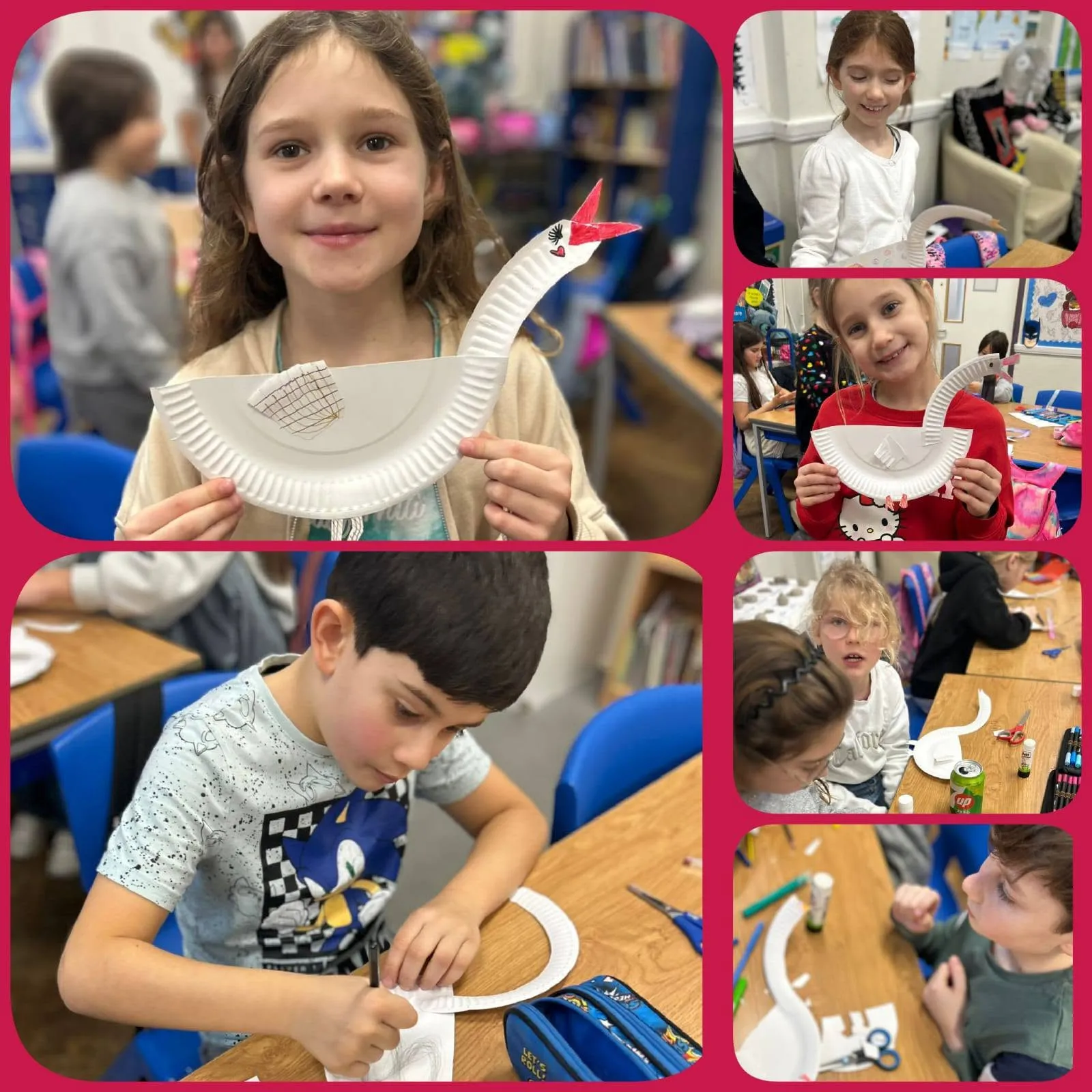
The work on the poem was rounded off by watching a staged performance of it. Afterwards, the pupils came up with the names of jobs other than those in the poem – doctor, sailor, police officer, shop assistant – and wrote them down. Finally, they made ducks from paper plates.
A musical arrangement will help the pupils learn the poem by heart, so their recitation has every chance of being note-perfect.