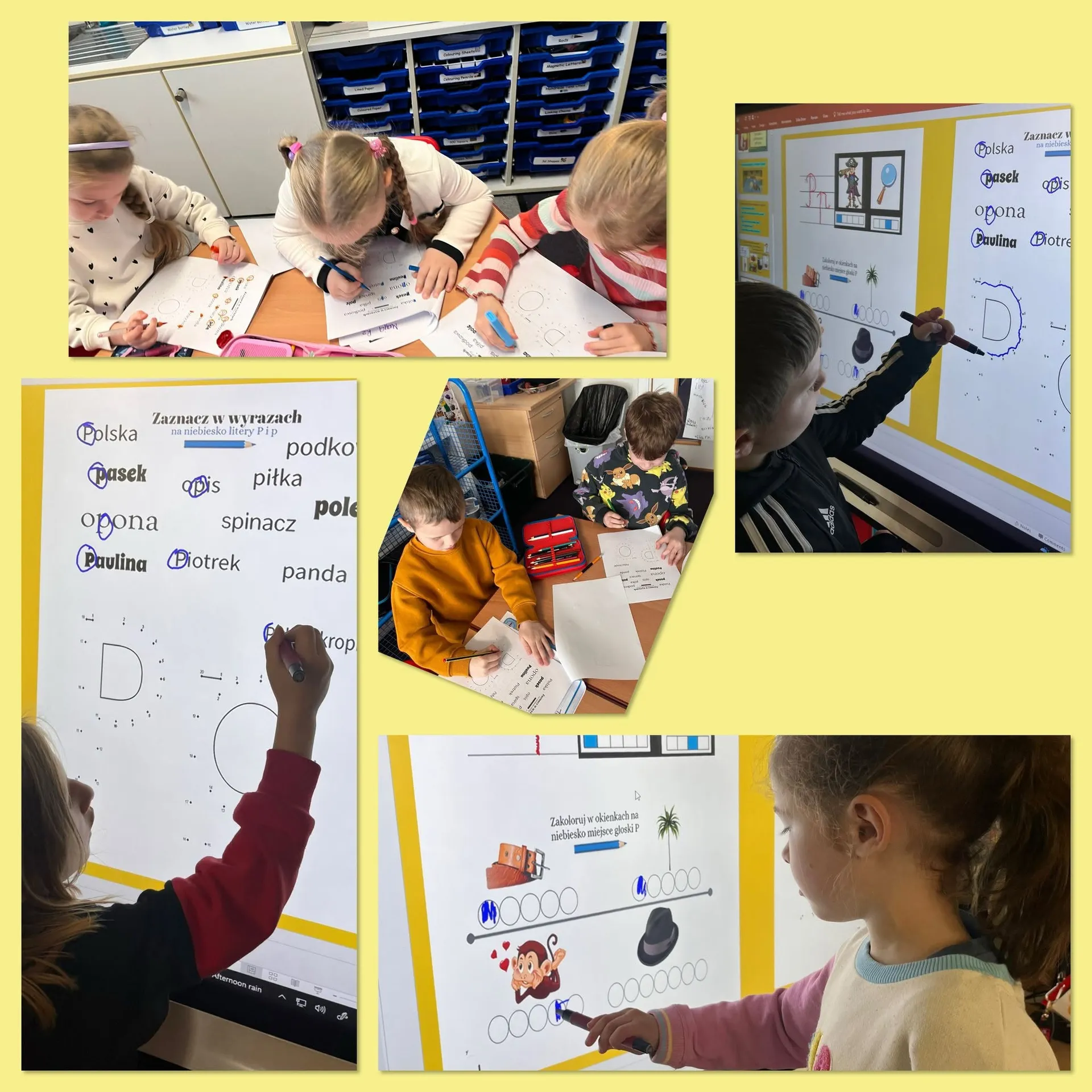


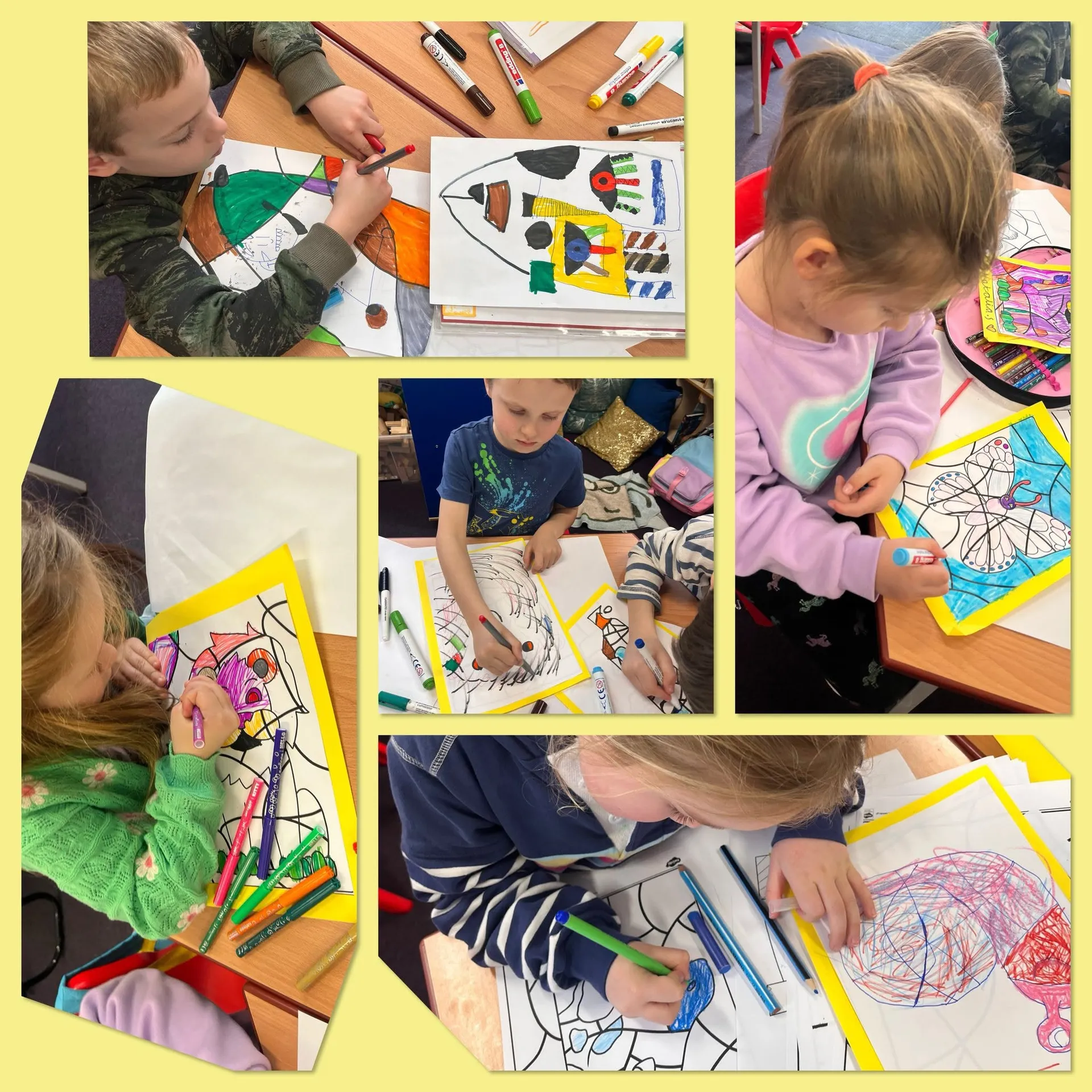
During Saturday's lessons, pupils learnt the sound P – as in Polska (Poland) and as in Pablo Picasso. These two words set the themes for the day: Poland – its map and legends – and the art of one of the most famous painters of the 20th century.
Poland on the map and in legend
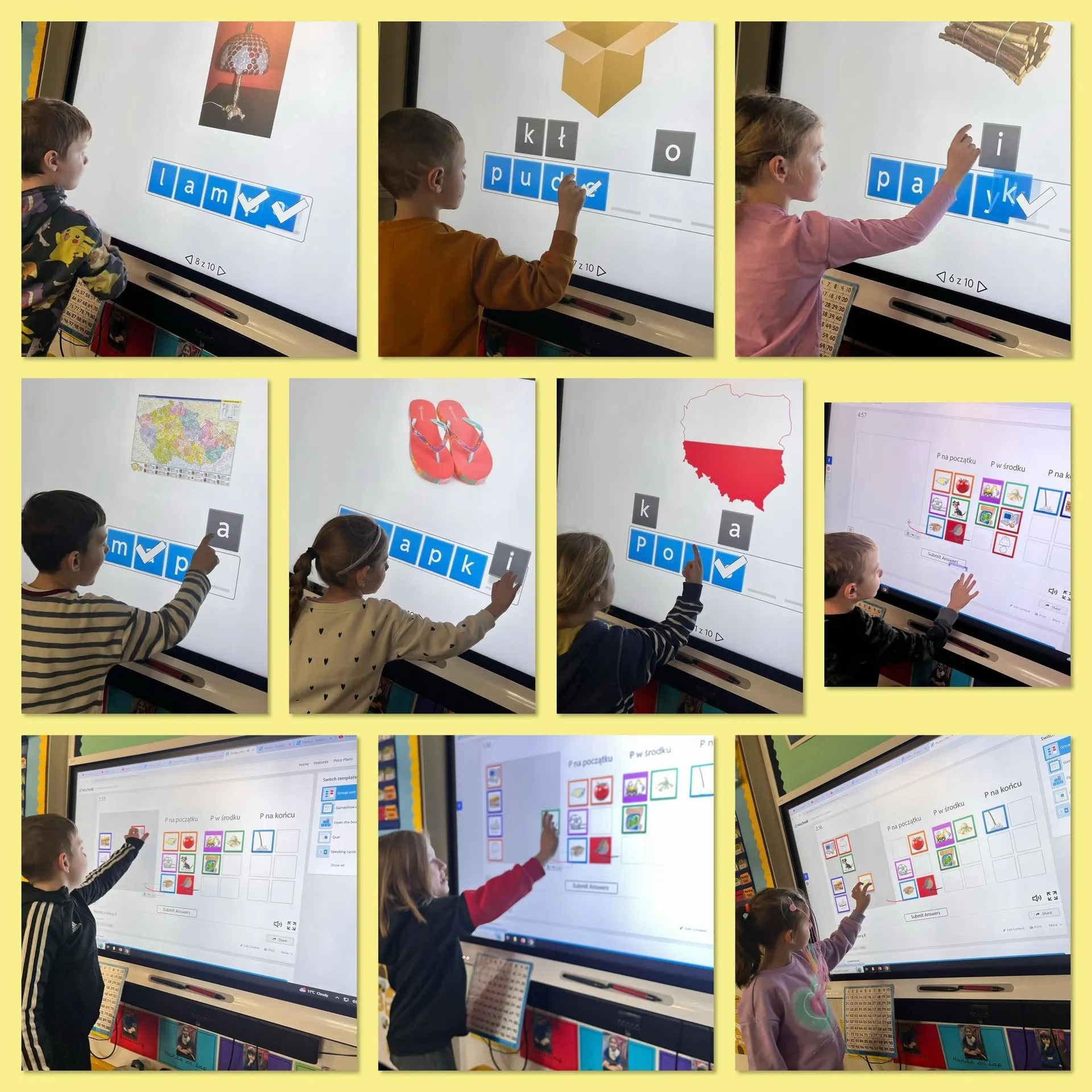
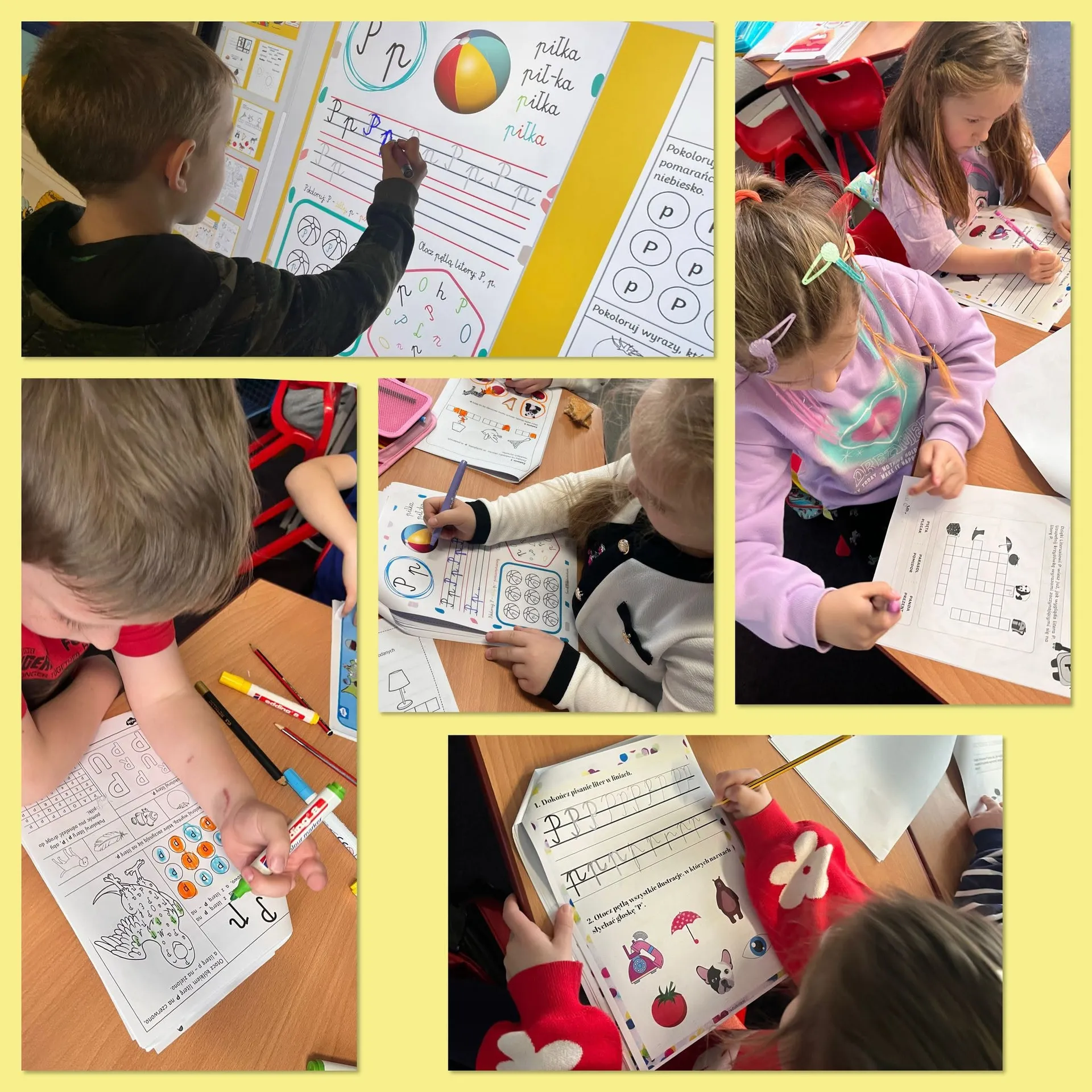
The class looked at a map of Poland and found places everyone knows, then successfully completed a quiz about Poland. The children reinforced the sound P through online games, crosswords and worksheets. On the interactive whiteboard, they built words from letters, including ‘Polska’, and matched pictures to words such as ‘ptak’ (bird) and ‘piłka’ (ball).
The pupils also found out where the name of the capital comes from. The legend of Wars and Sawa helped here: according to it, the name Warszawa (Warsaw) was formed by combining their names. It is one of the best-known tales about the city's origins; Warsaw is also linked with the legend of the mermaid, who still appears on the capital's coat of arms today.
‘Be like Picasso’
In the last lesson, the class learnt about Pablo Picasso (1881–1973), the Spanish painter and one of the co-founders of Cubism. His most famous works include ‘Les Demoiselles d'Avignon’ (1907), regarded as a forerunner of Cubism, and ‘Guernica’ (1937). The Cubists broke figures and objects down into geometric planes, showing them from several sides at once. The ‘Be like Picasso’ activity followed this approach: the children made Cubist portraits, colouring them with crayons and felt-tip pens. The lessons were guided by the artist's words:
Every child is an artist. The problem is how to remain an artist once we grow up.
– Pablo Picasso
You can create a portrait like this at home too – all you need is a sheet of paper, a pencil and crayons. More work and photos from the lessons can be seen in the gallery.