

Does a snail have horns? When do we write ‘ś’ and when ‘si’? These seem like simple questions, yet the answers are not always obvious. Soft sounds in Polish can be genuinely difficult and often confusing for bilingual children – English has no ‘ś’ sound, and at first it is hard to hear the difference between ‘ś’ and ‘sz’.
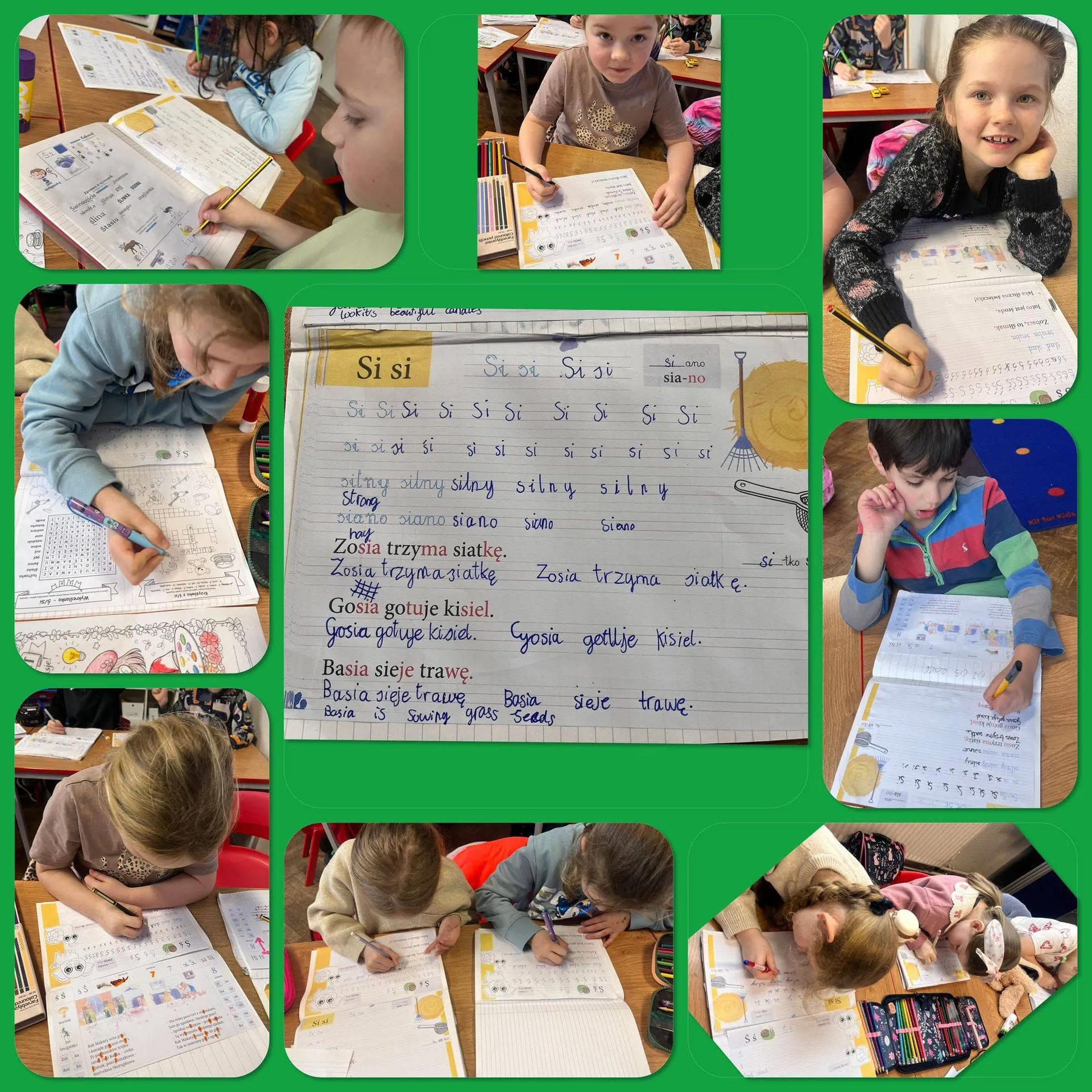
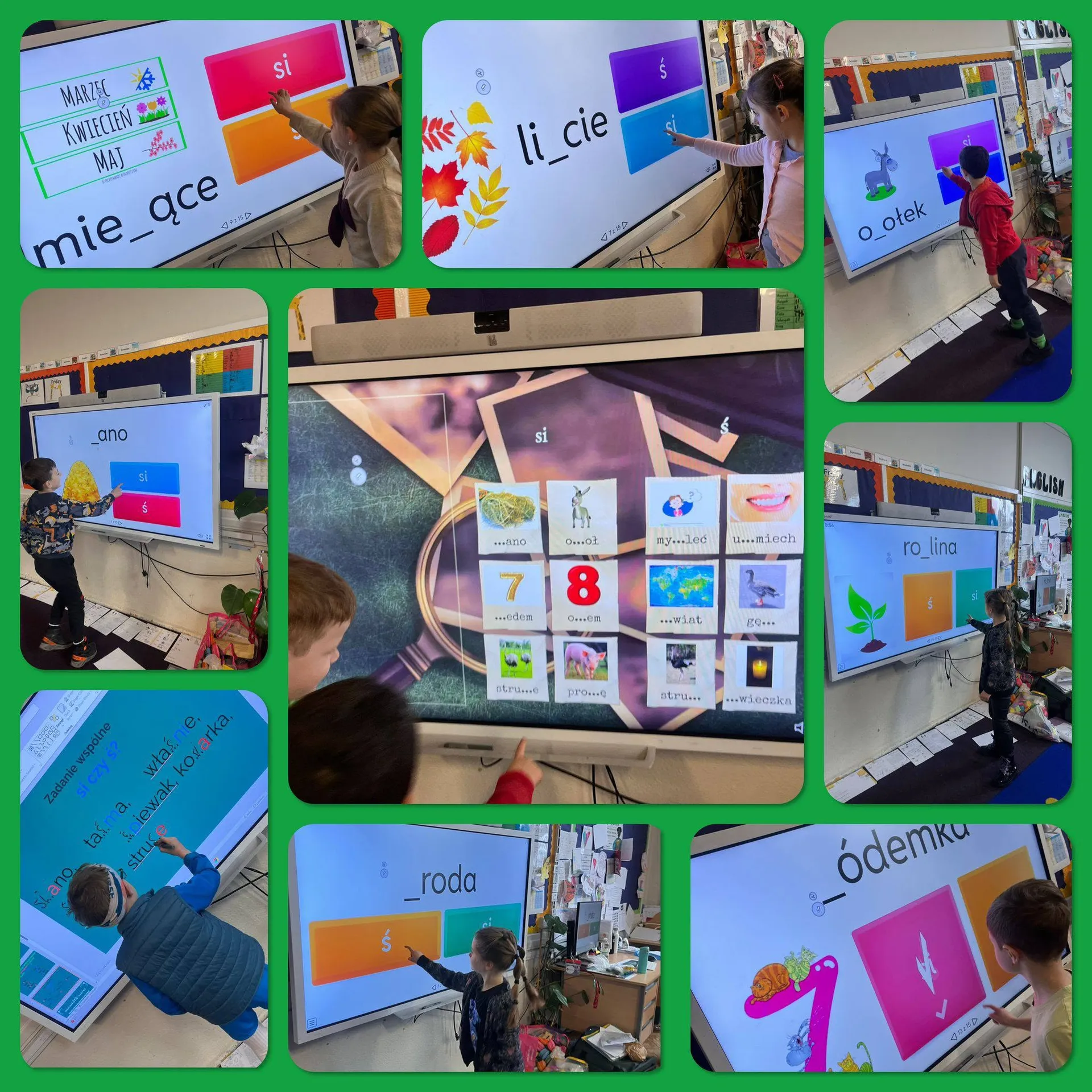
The rule is easy to remember: before a consonant and at the end of a word we write ‘ś’ (‘ślimak’ – snail, ‘liść’ – leaf), while before a vowel the softness is marked by the letter ‘i’, so we write ‘si’ (‘siano’ – hay, ‘siostra’ – sister). These were exactly the kinds of words the pupils completed in games on the interactive whiteboard, filling in the missing ‘ś’ or ‘si’ in words such as ‘liście’ (leaves), ‘środa’ (Wednesday), ‘siódemka’ (the number seven) and ‘miesiące’ (months). They also practised spelling in their exercise books, writing letters and short sentences such as ‘Zobacz, to ślimak’ (Look, it’s a snail).
Thanks to a variety of games and activities, we managed to crack these language puzzles at least a little. Learning through play proved the best way to make them less daunting.
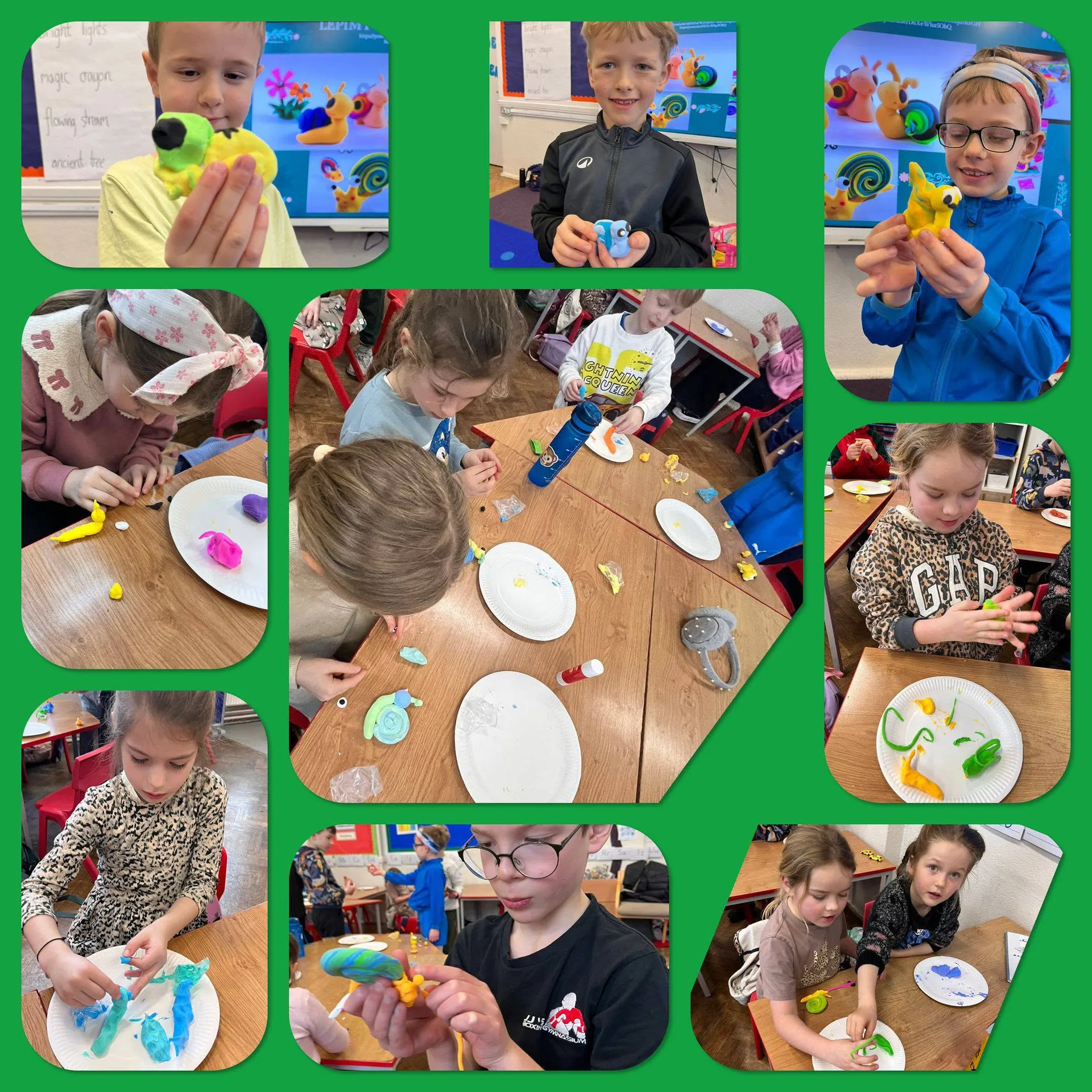
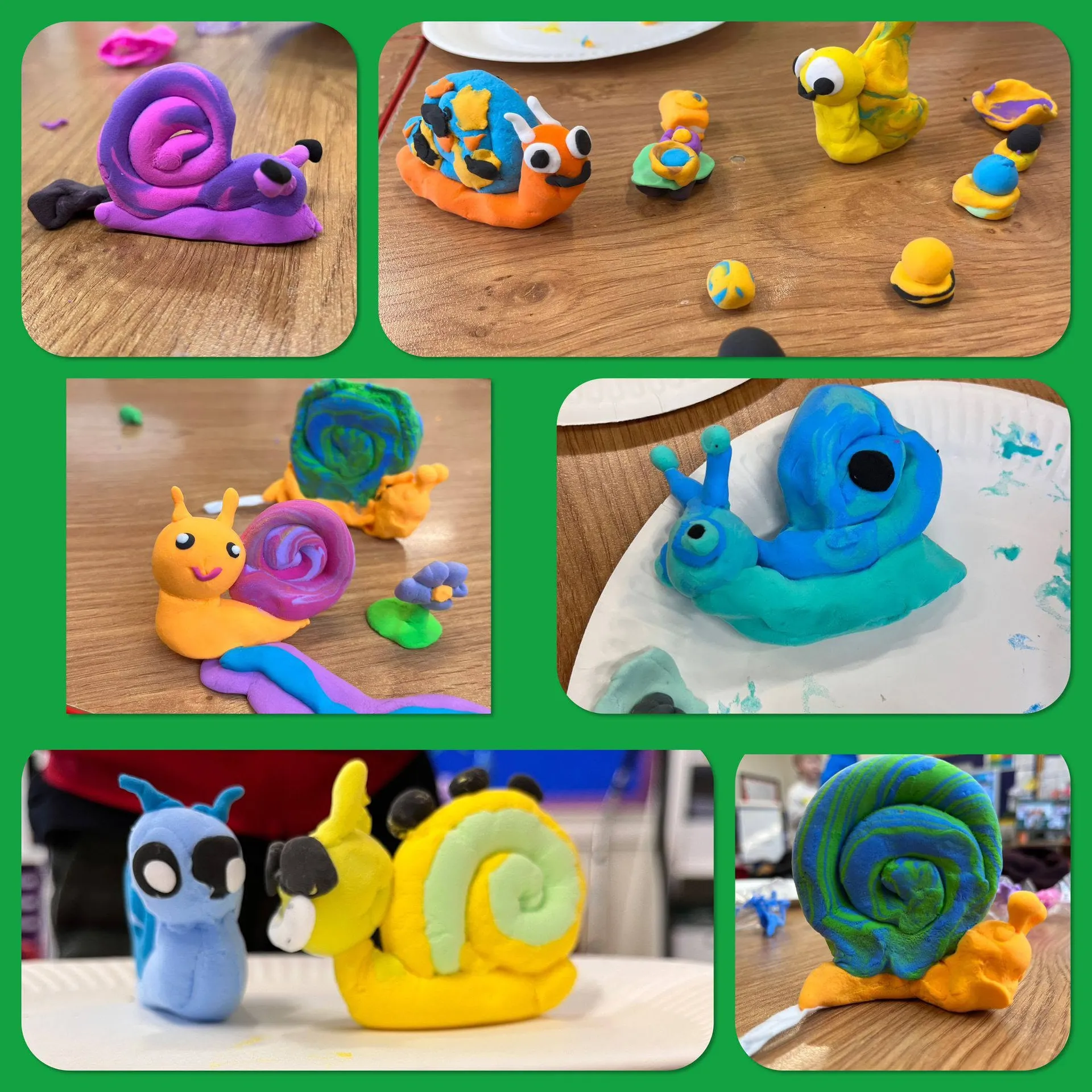
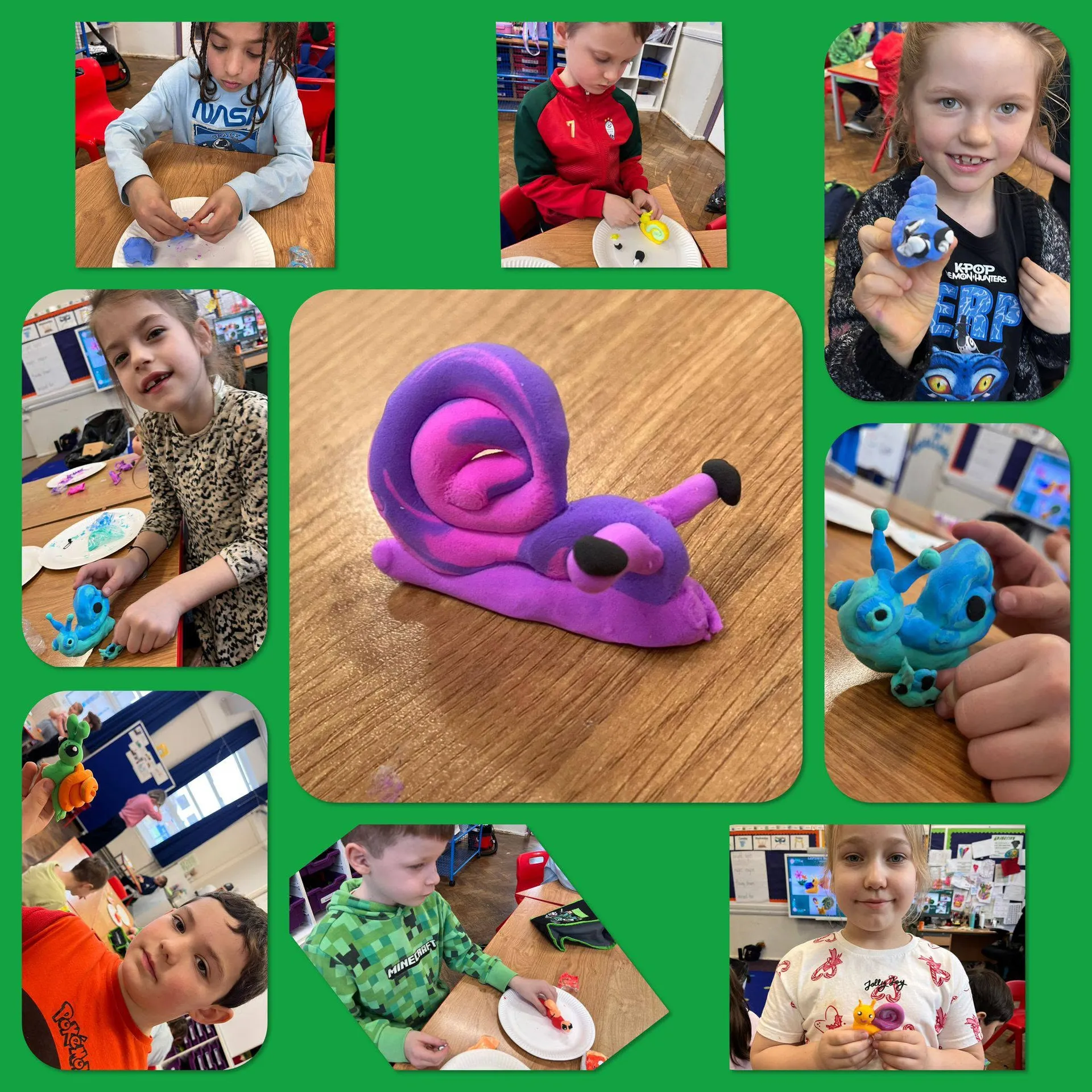
At the end of the day, the classroom was filled with beautiful snails made from colourful plasticine – and even whole families of snails. So, does a snail have horns? What we commonly call a snail’s horns are in fact tentacles; in land snails, the eyes are at the tips of the longer pair of tentacles.
More photos from the lesson can be seen in the gallery.