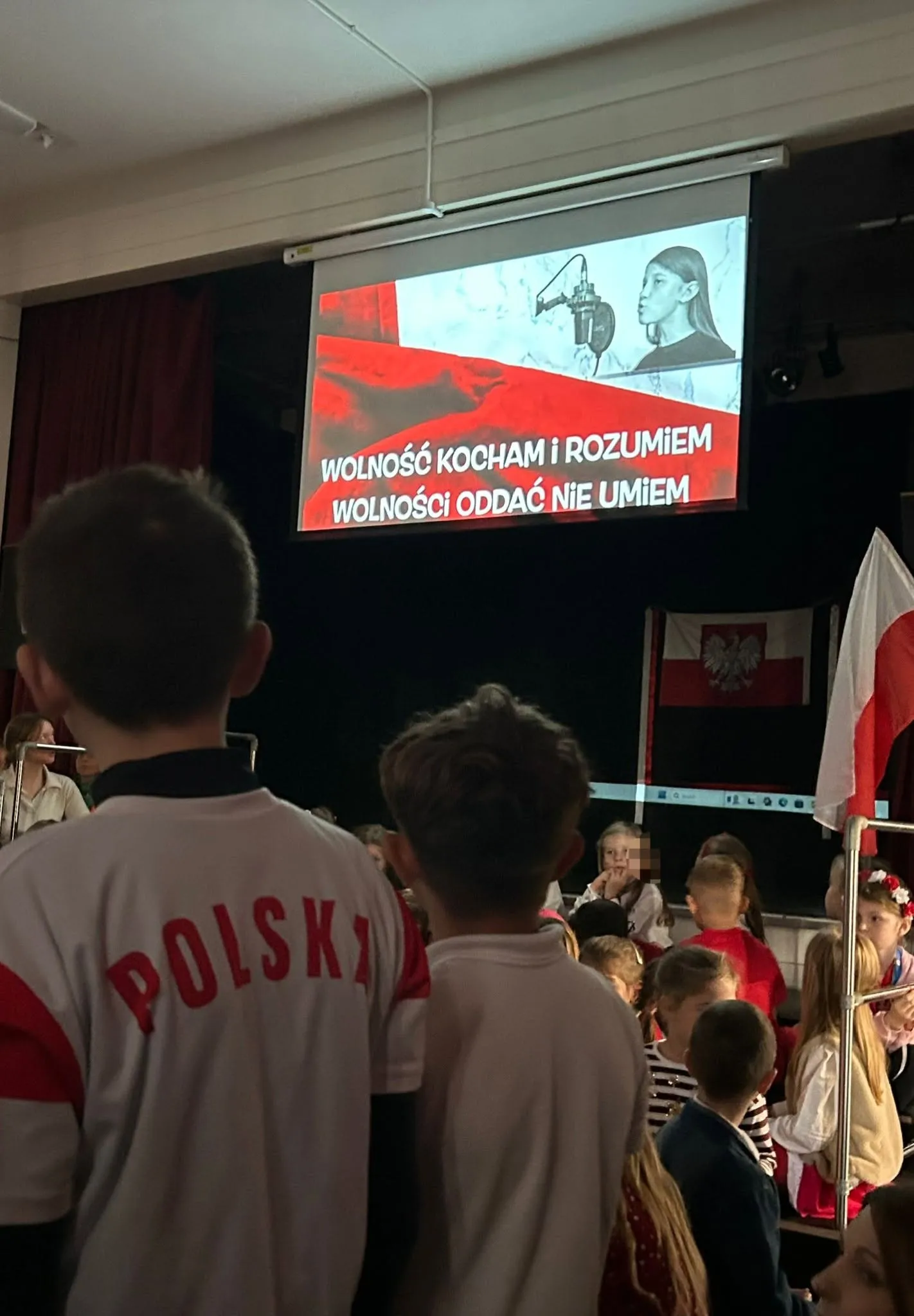


Independence Day gave our school community an opportunity to pause and remember that Poland regained its freedom after many years of subjugation. The freedom we enjoy today did not fall from the sky – someone fought for it, dreamt of it and refused to give up.
Why 11 November
We celebrate National Independence Day on 11 November. On that day in 1918, the Regency Council handed supreme command of the Polish army to Józef Piłsudski, and the date became a symbol of Poland's return to the map of Europe after 123 years of partitions. The holiday was established by law in 1937, abolished after the Second World War and restored only in 1989. For pupils growing up in the United Kingdom, the school celebrations are an opportunity to learn this history and to understand why the November holiday holds such special significance for Poles all over the world.
Singing the anthem together
We also took part in the ‘Szkoła do hymnu’ (‘School, to the Anthem’) campaign, in which schools – in Poland and beyond its borders – sing the national anthem together. We sang a song that unites generations and reminds us that we are like pieces of a jigsaw – part of something bigger. ‘Mazurek Dąbrowskiego’ (Dąbrowski's Mazurka) was written in Italy in 1797 as the song of the Polish Legions, and its author is Józef Wybicki; it has officially been the national anthem since 1927.
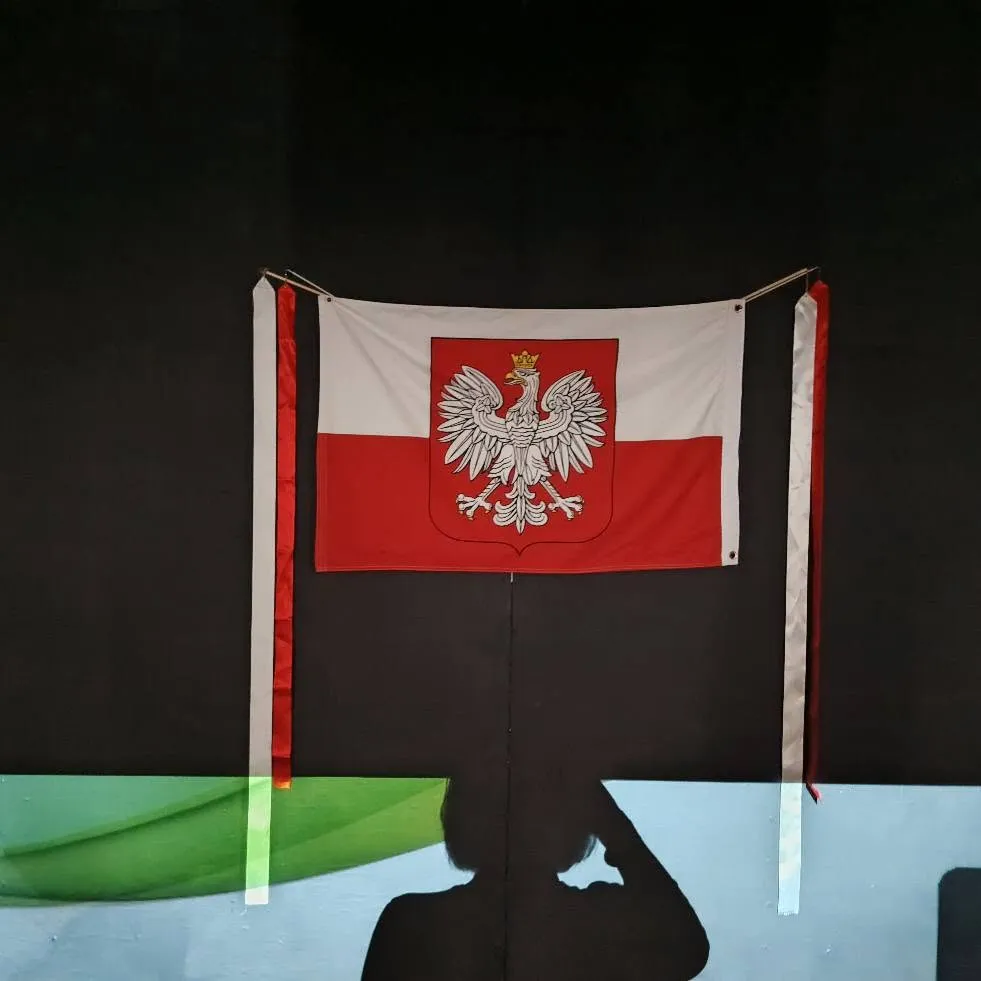
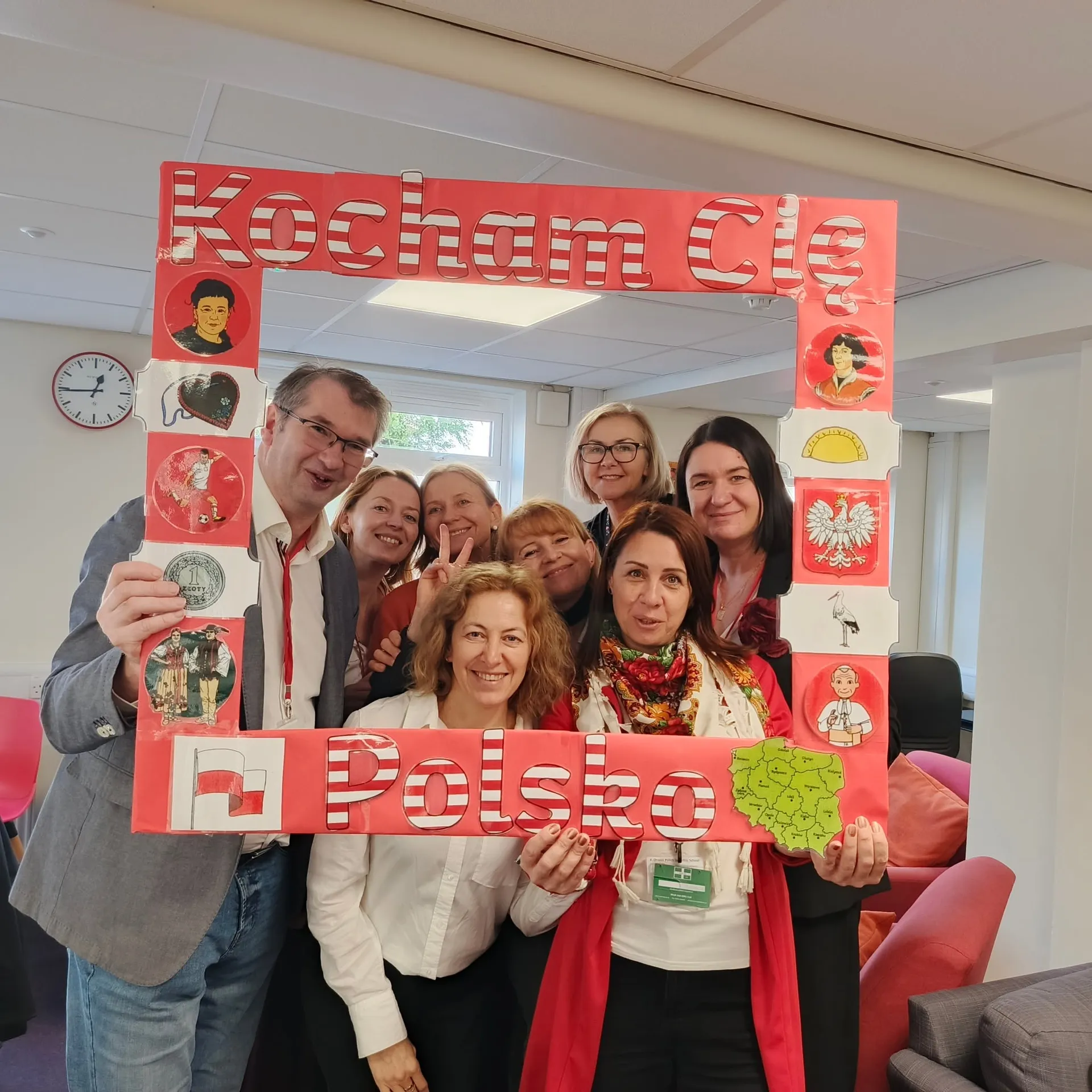
We also sang songs together and watched animations. The room was decorated with a white-and-red flag bearing the national emblem, and pupils posed for souvenir photos with a frame reading ‘Kocham Cię Polsko’ (‘I love you, Poland’). We felt proud to be Polish.