

The last Saturday before the summer holidays in the 2024/2025 school year was exceptionally eventful in one of our classes. Pupils learnt a new sound and letter, F – as in ‘fryzjer’ (hairdresser) – and along the way became hairdressers themselves for a while.
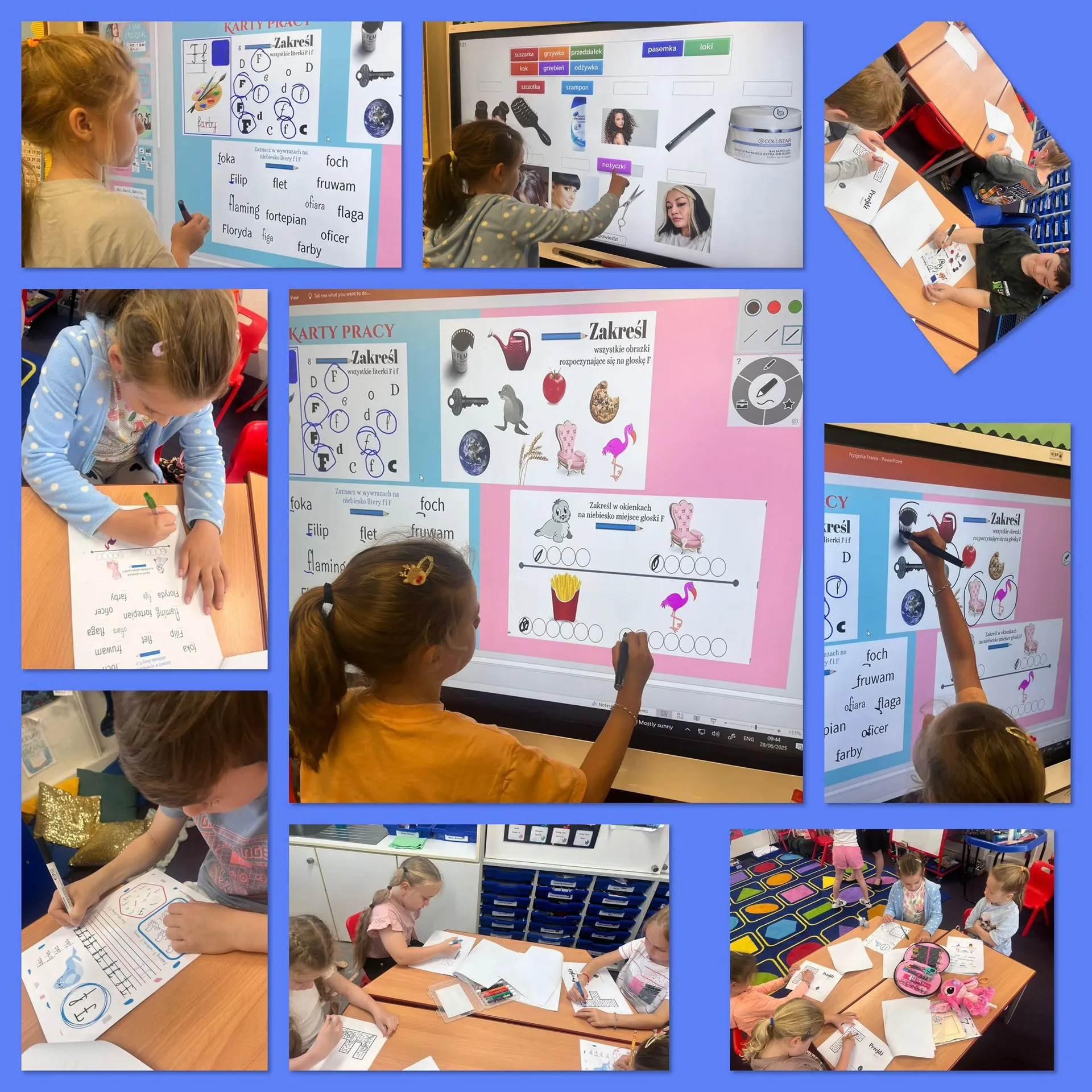
The class read the book ‘Jadzia Pętelka jedzie do fryzjera’ (‘Jadzia Pętelka Goes to the Hairdresser’), and the children learnt the Polish names of hairdressing tools and consolidated them in exercises on the interactive whiteboard and in worksheets. Vocabulary linked to everyday situations, such as a visit to the hairdresser, quickly comes in useful outside the classroom.
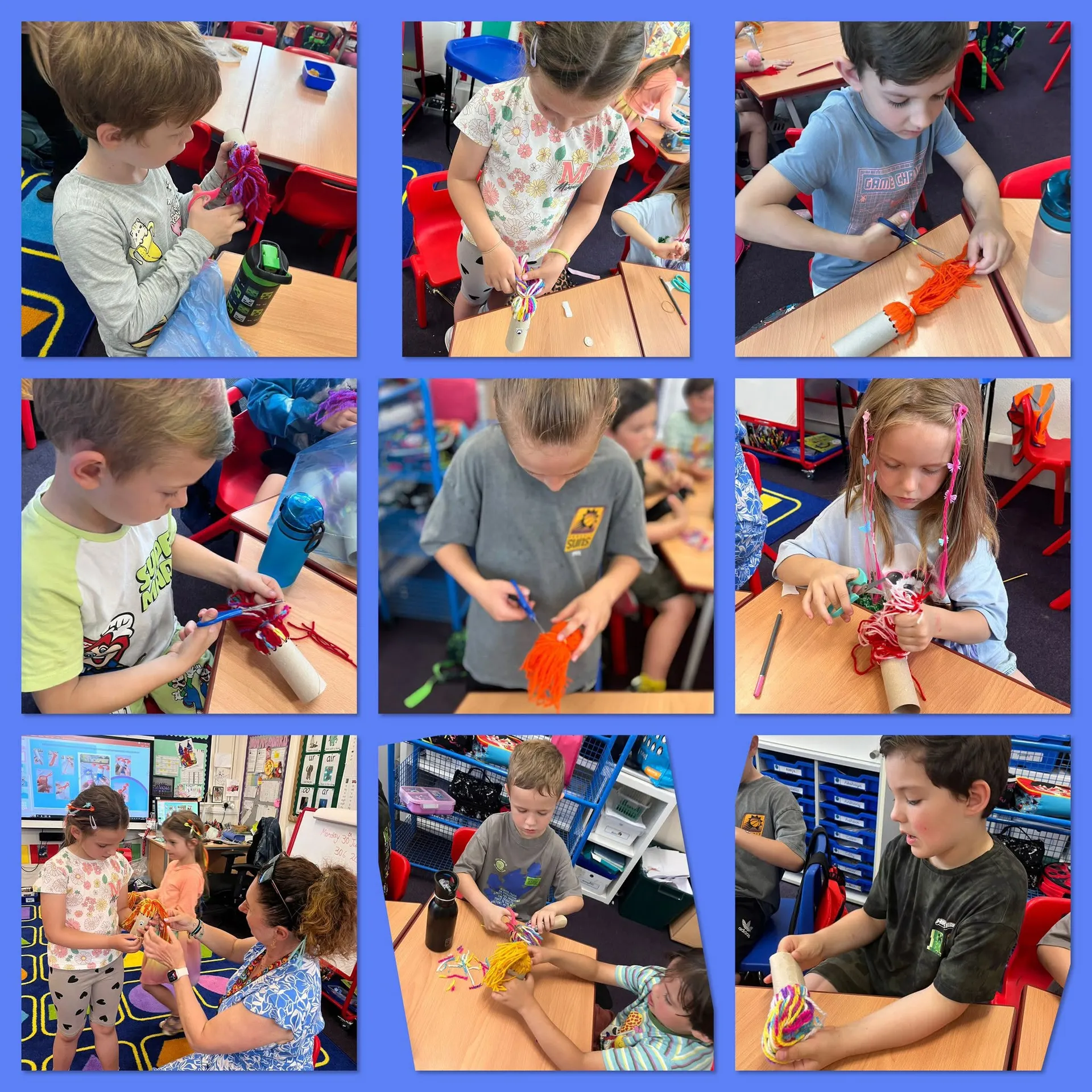
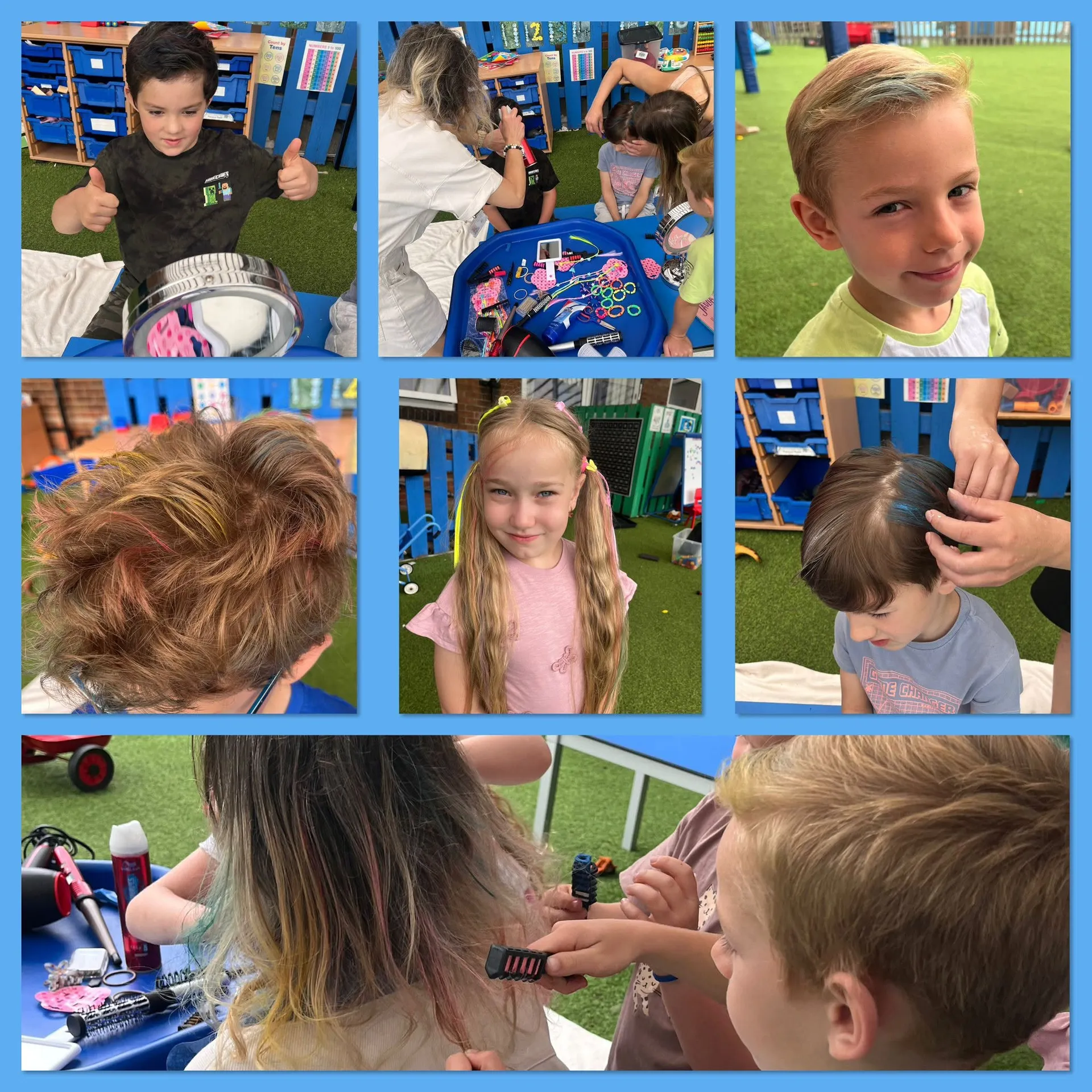
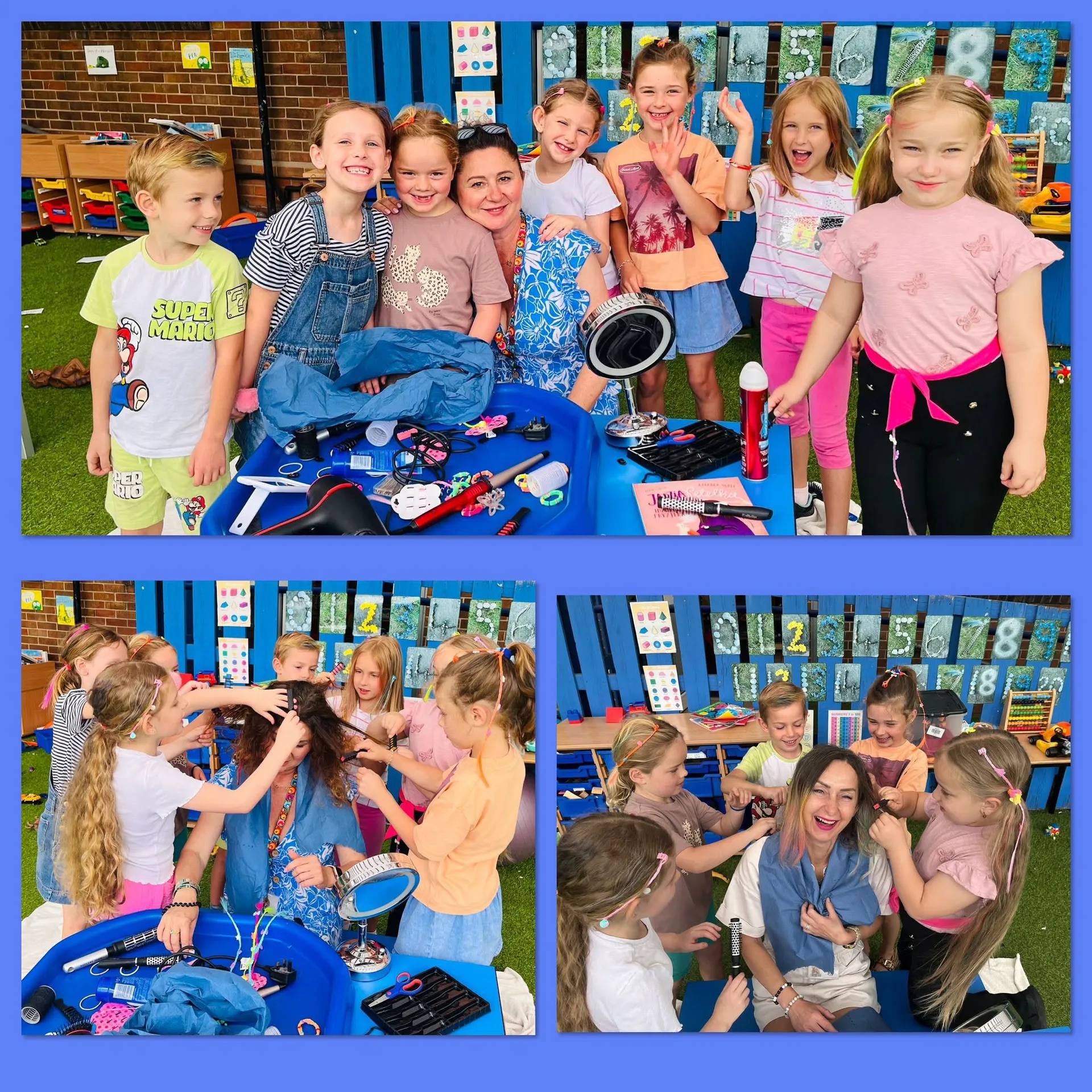
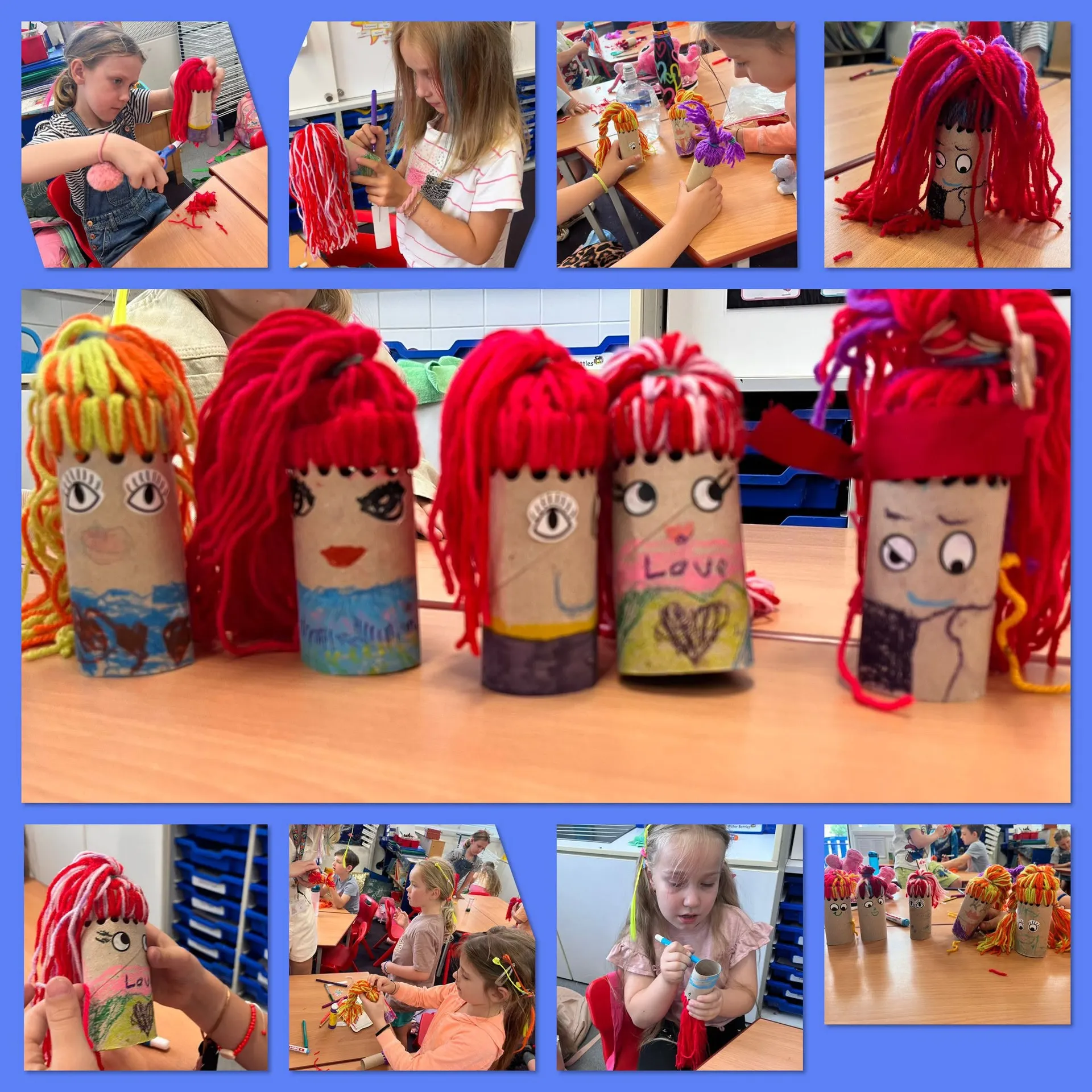
Frania the Hairdresser (Fryzjerka Frania) also paid the class a visit and – it is hard to say how – cast a spell on the children, who became little hairdressers themselves. Pupils created hairstyles from colourful yarn on cardboard tubes, trimmed them, tied ponytails and did plaits, and even coloured their teachers' hair.
In Polish, F is one of the less common letters and appears mainly in borrowed words. This is also true of the word ‘fryzjer’, which came into Polish from German (Friseur). The sounds ‘f’ and ‘w’ form a pair – they differ only in voicing – which is why we hear the sound ‘f’ more often than we write it: in words such as ‘wtorek’ (Tuesday) or ‘twarz’ (face), the letter ‘w’ sounds like ‘f’. This is worth remembering when learning to write.
This is how the last lessons before the holidays went. More photos of the little hairdressers at work can be seen in the gallery.