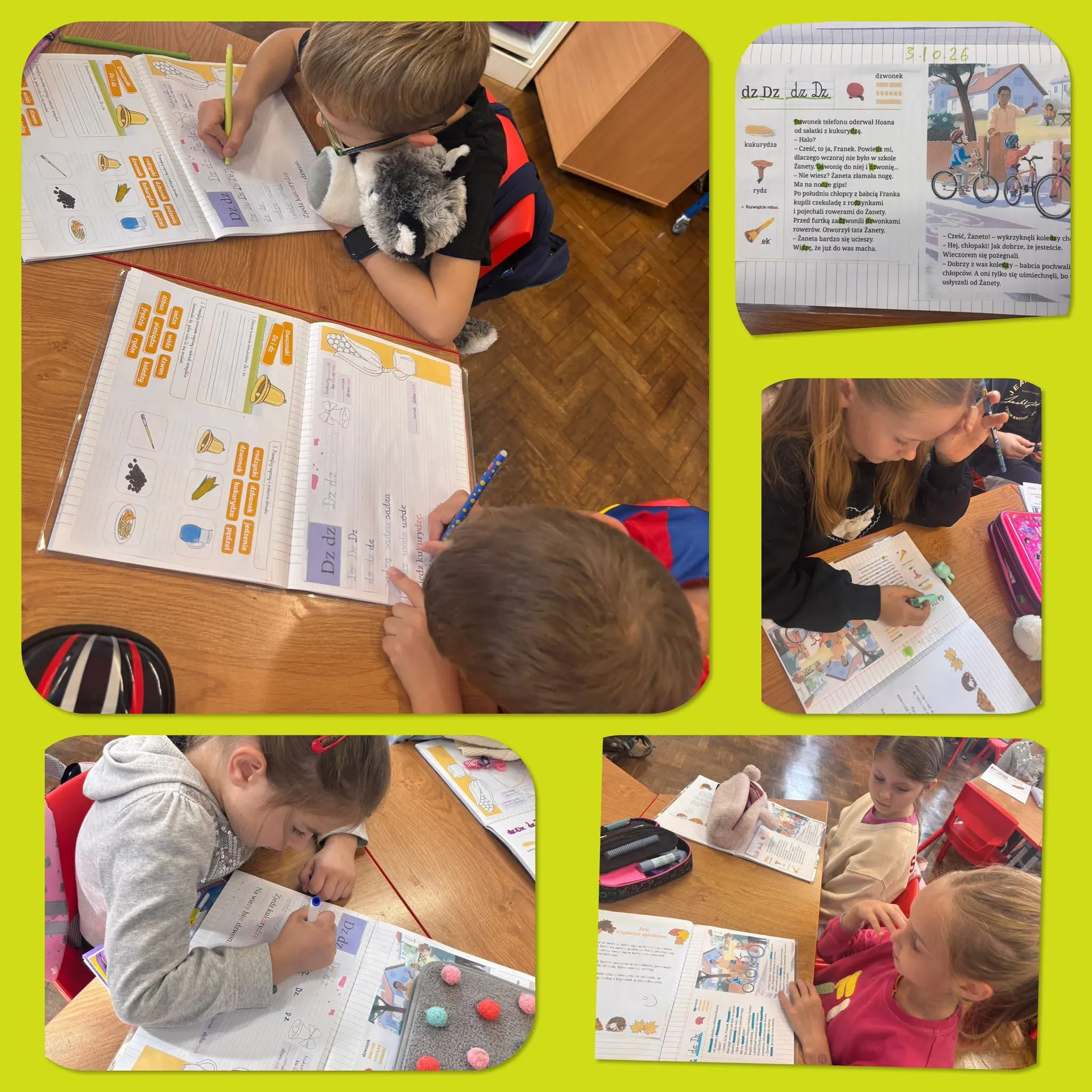


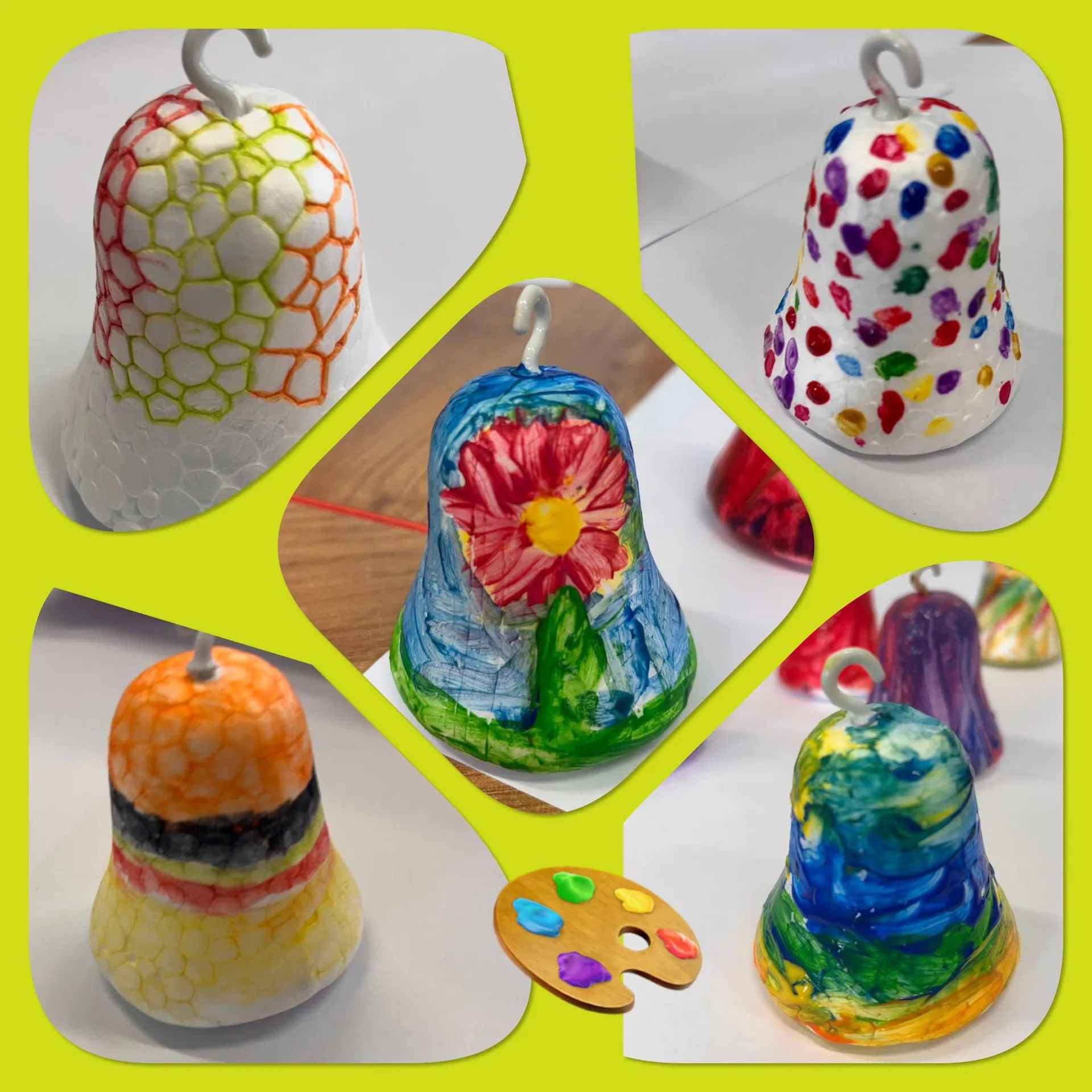
Our younger pupils continued their adventure with Polish digraphs. This time they learnt the digraph DZ – as in the word ‘dzwonek’ (bell) – and, to help them remember it better, painted their own polystyrene bells. We also write the same digraph in words such as ‘dzbanek’ (jug), ‘dzwon’ (large bell) and ‘pieniądze’ (money).
The class was gradually coming to the end of learning all the Polish digraphs. They are not easy for young children, so the lessons reinforced them in many ways: pupils looked for them in texts, solved exercises and crosswords, and played various language games.
The digraph DZ needs particular attention because it is easily confused with related spellings: dź, written as dzi before a vowel (as in the word ‘dzięcioł’, woodpecker), and dż (as in the word ‘dżem’, jam). Each of them represents a different sound, and telling them apart by ear and in writing can be a challenge, especially for children who use English in their everyday lives.
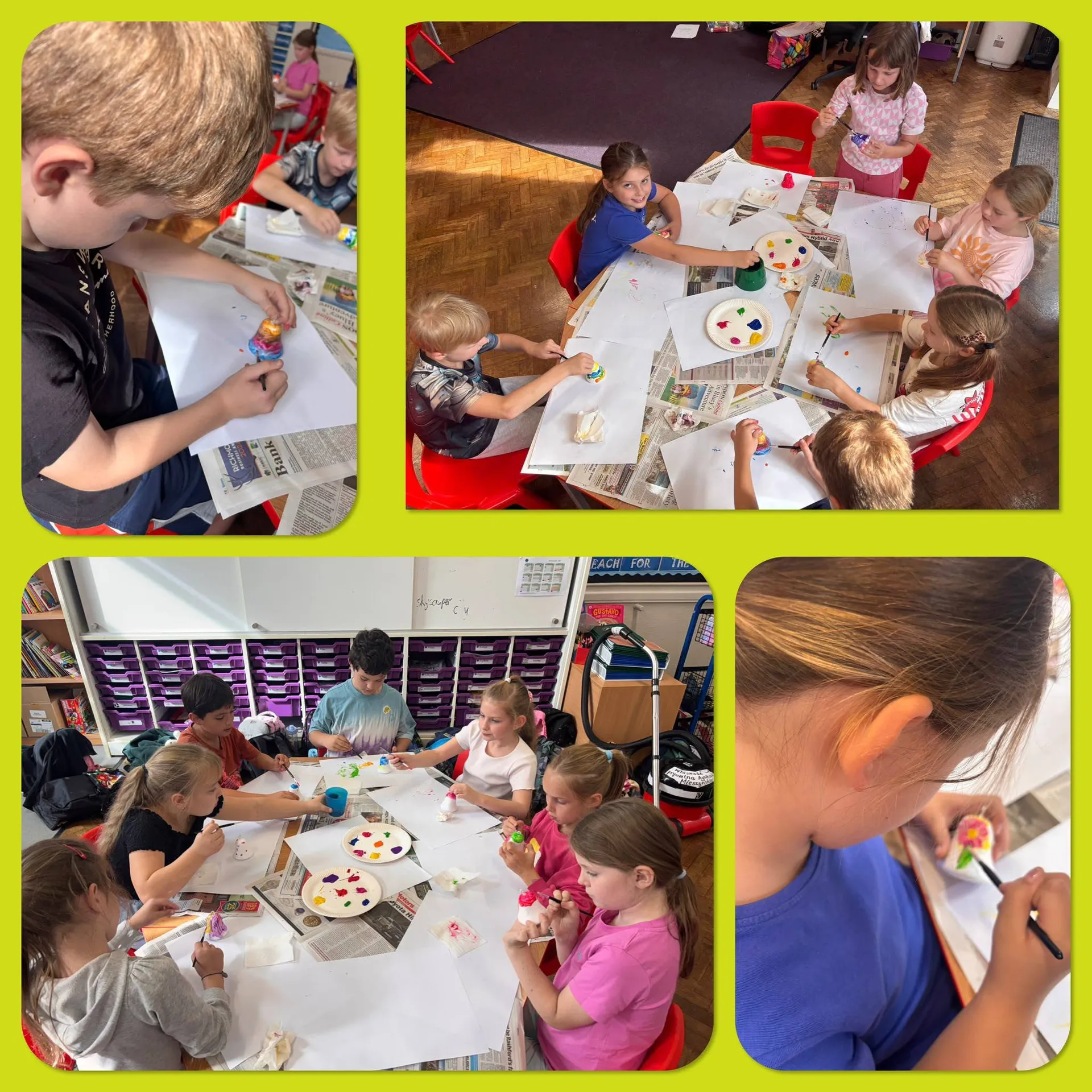
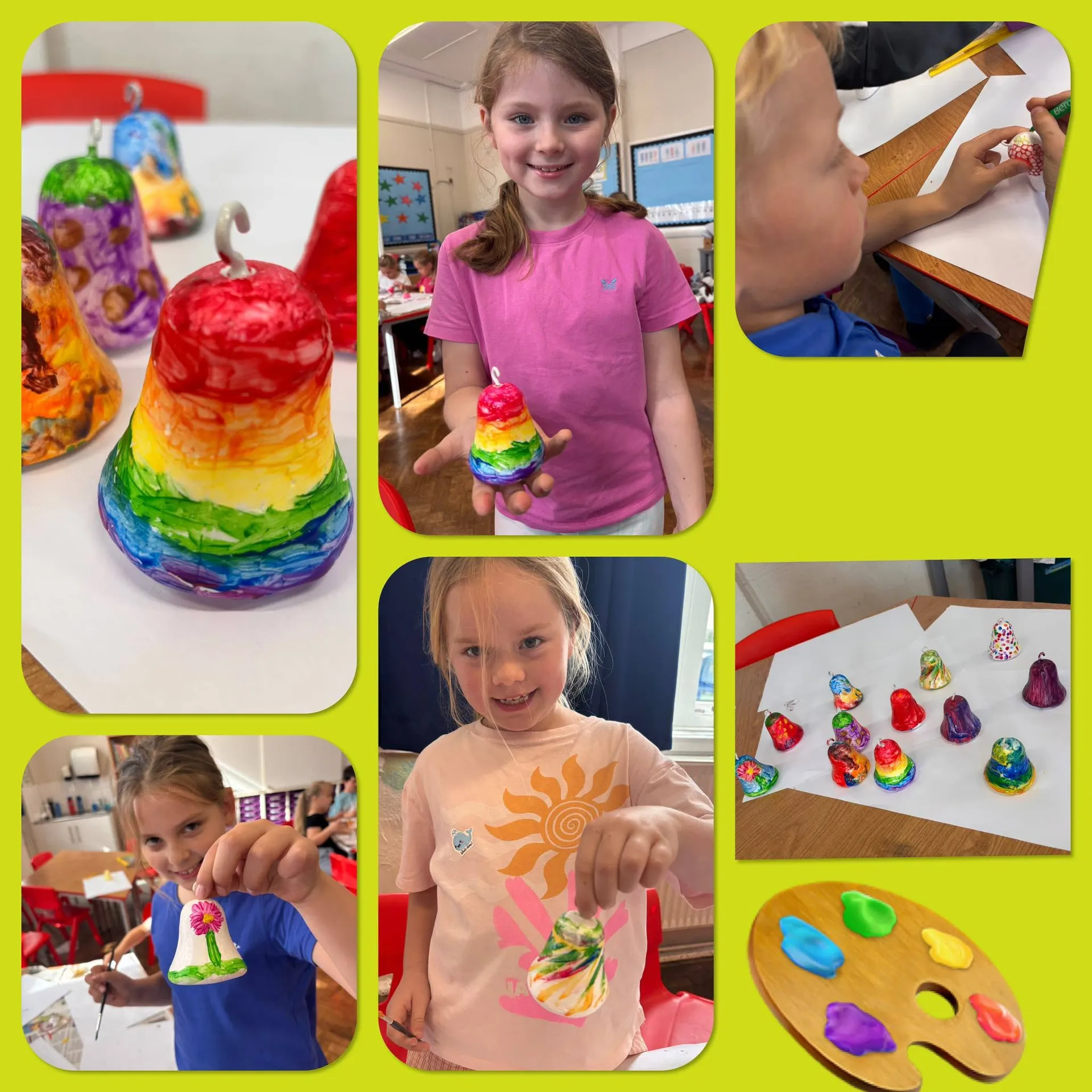
The highlight of the lesson was the art activity. The children painted their bells with great enthusiasm at shared tables set with palettes of paint. Real little works of art were created – the photos show bells with rainbow stripes, dots, criss-cross patterns and floral designs.
It was colourful and creative, and while having great fun the class reinforced another Polish digraph. More photos can be seen in the gallery.