

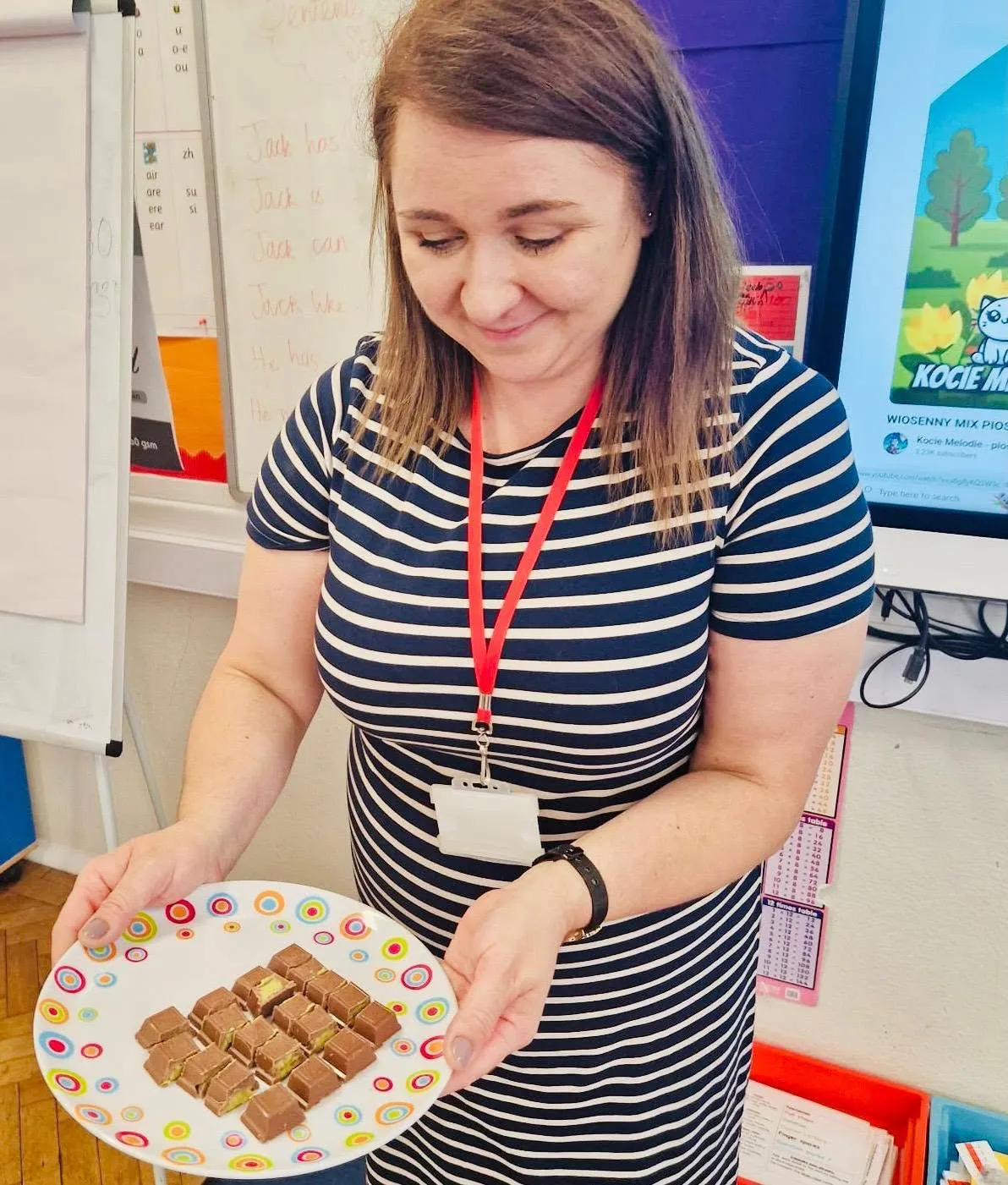
The star of our Saturday lesson was chocolate – ‘the undisputed queen of sweets’. This was no accident: the word ‘czekolada’ (chocolate) begins with the digraph ‘cz’, which the pupils learnt and practised that day.
A whole day with the digraph ‘cz’
The lesson was filled with hard work. The pupils read, wrote, tackled a dictation and got to know poems and set books, practising the new digraph as they went. A digraph is a combination of two letters that we read as a single sound: in the words ‘czapka’, ‘czas’ and ‘czytanie’, the letters c and z are not pronounced separately but form one sound. Mastering the digraphs – ch, cz, dz, dź, dż, rz and sz – is an important stage in learning to read in Polish. For bilingual children ‘cz’ can be particularly confusing, because in English a similar sound is usually spelt ch. It is also worth remembering a spelling rule: in native Polish words, ‘cz’ is followed by y, not i – hence ‘czysty’, ‘czyj’ and ‘czytać’.
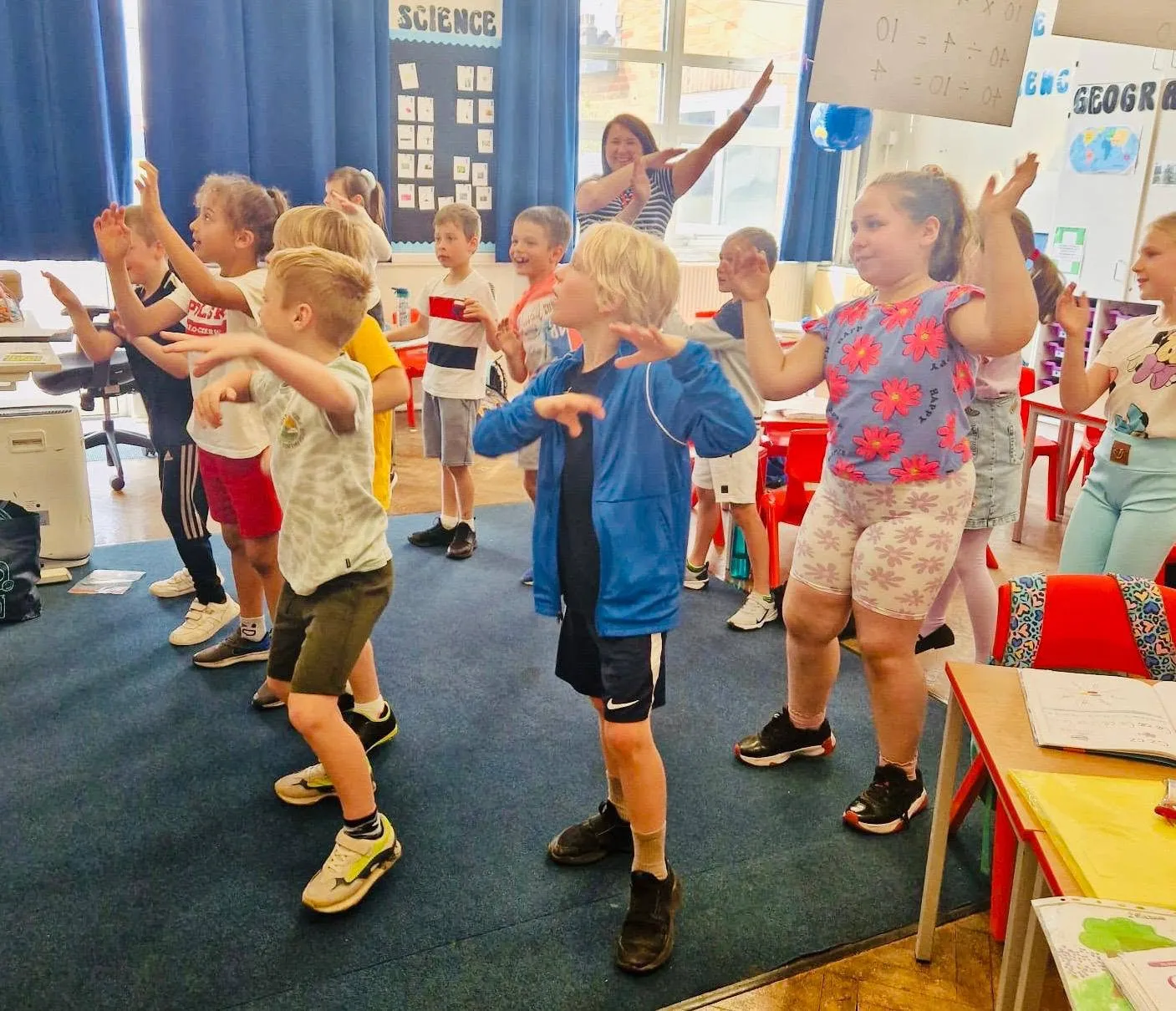
There was also plenty of movement between tasks: the class joined their teacher in active games.
A sweet ending
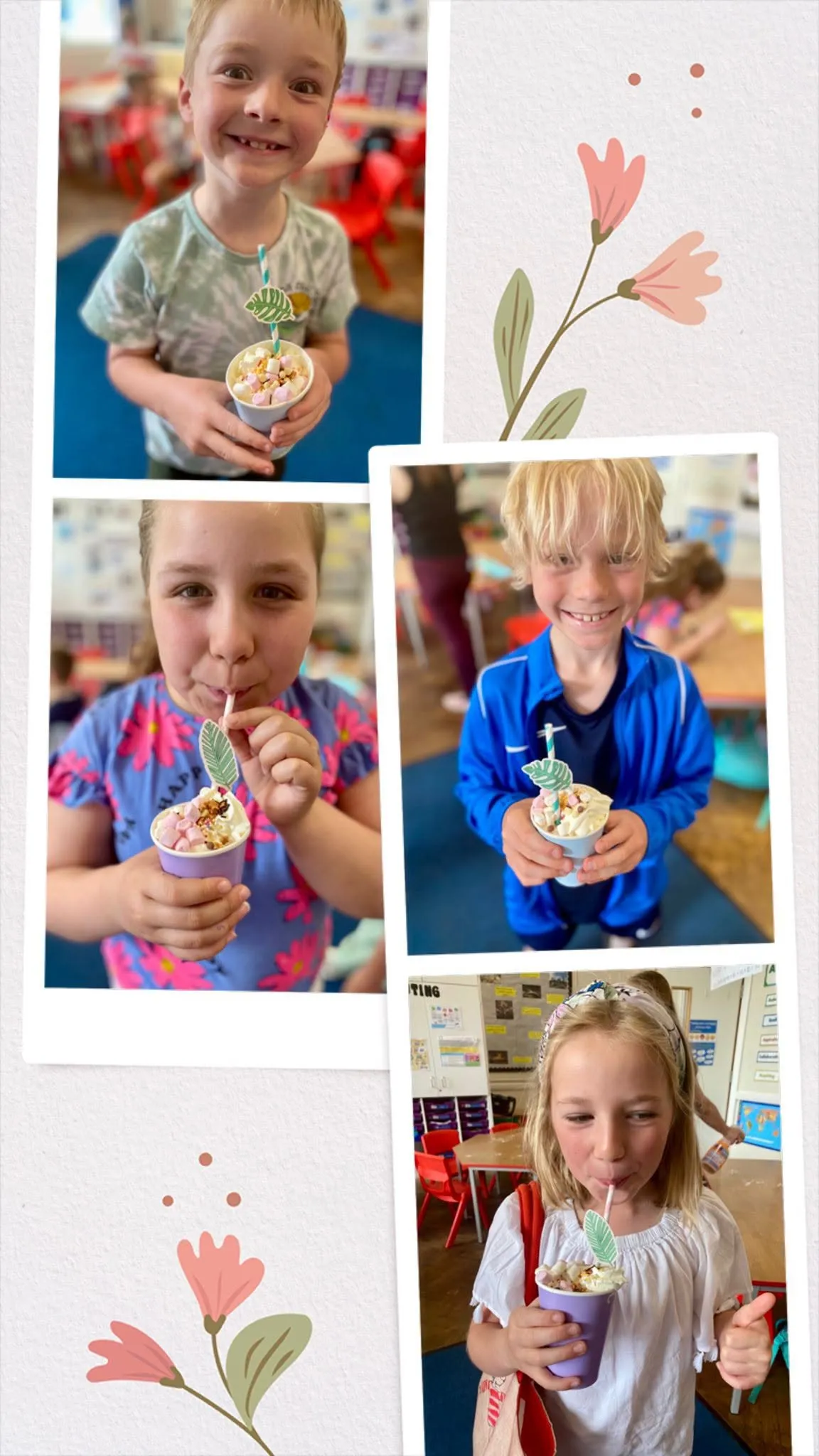
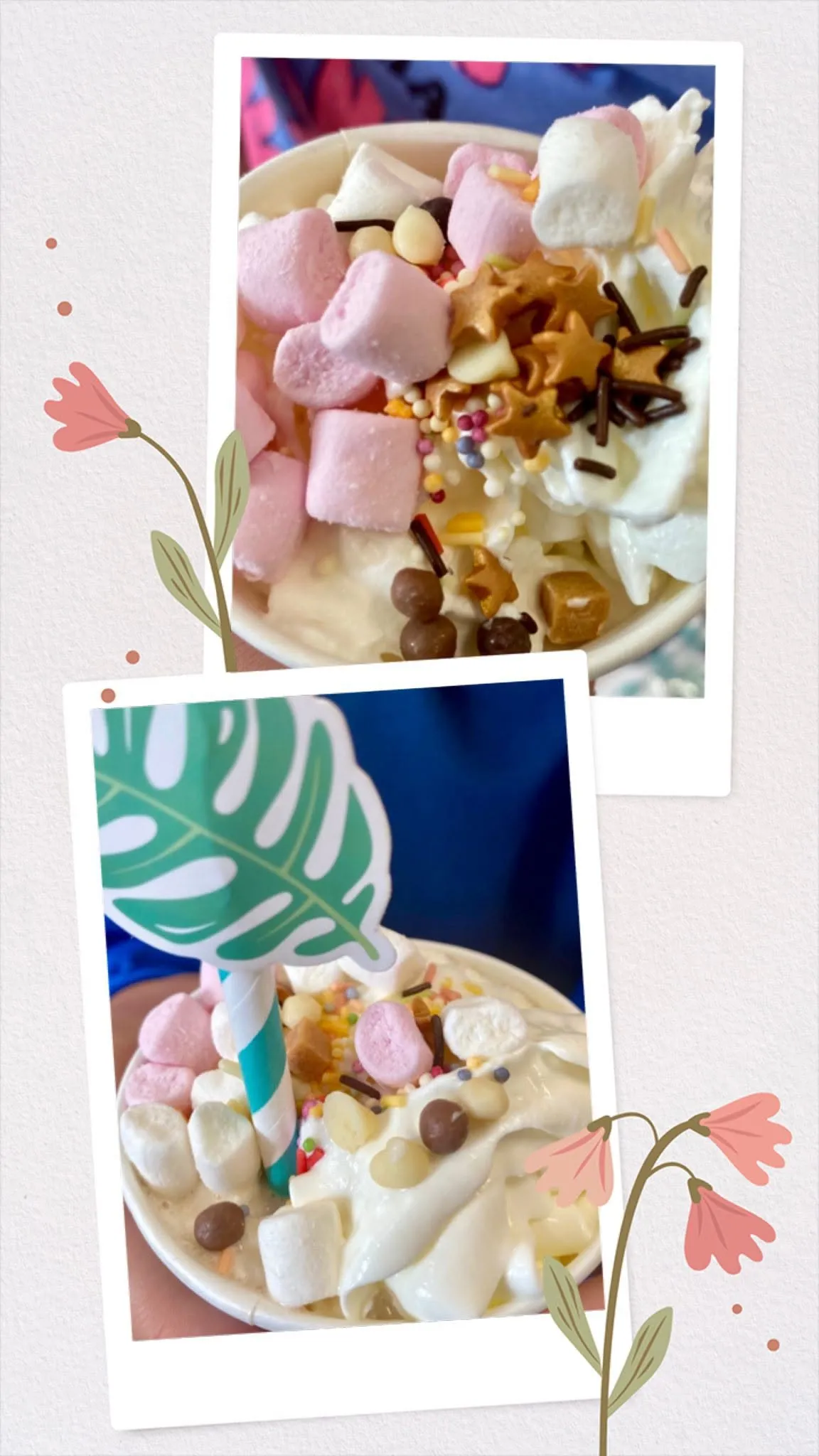
The chocolate put everyone in a good mood from the very start of the morning, and the pupils knew that something sweet still awaited them at the end of the day. To finish the lesson, everyone could decorate their own cup of chocolate – with whipped cream, marshmallows and sprinkles – and then taste it. The taste of chocolate has been known for centuries: the cocoa beans from which it is made were already prized in pre-Columbian America. Chocolate, especially dark chocolate, also contains valuable minerals such as magnesium and iron.
According to the class, it was wonderful and delicious. More photos from our chocolate Saturday can be seen in the gallery.