

During the Saturday lesson, the pupils set off on an underground journey – virtually descending into the depths of the Wieliczka Salt Mine. The walk through the salt corridors became the starting point for a conversation about what salt is, where it comes from and what it is used for.
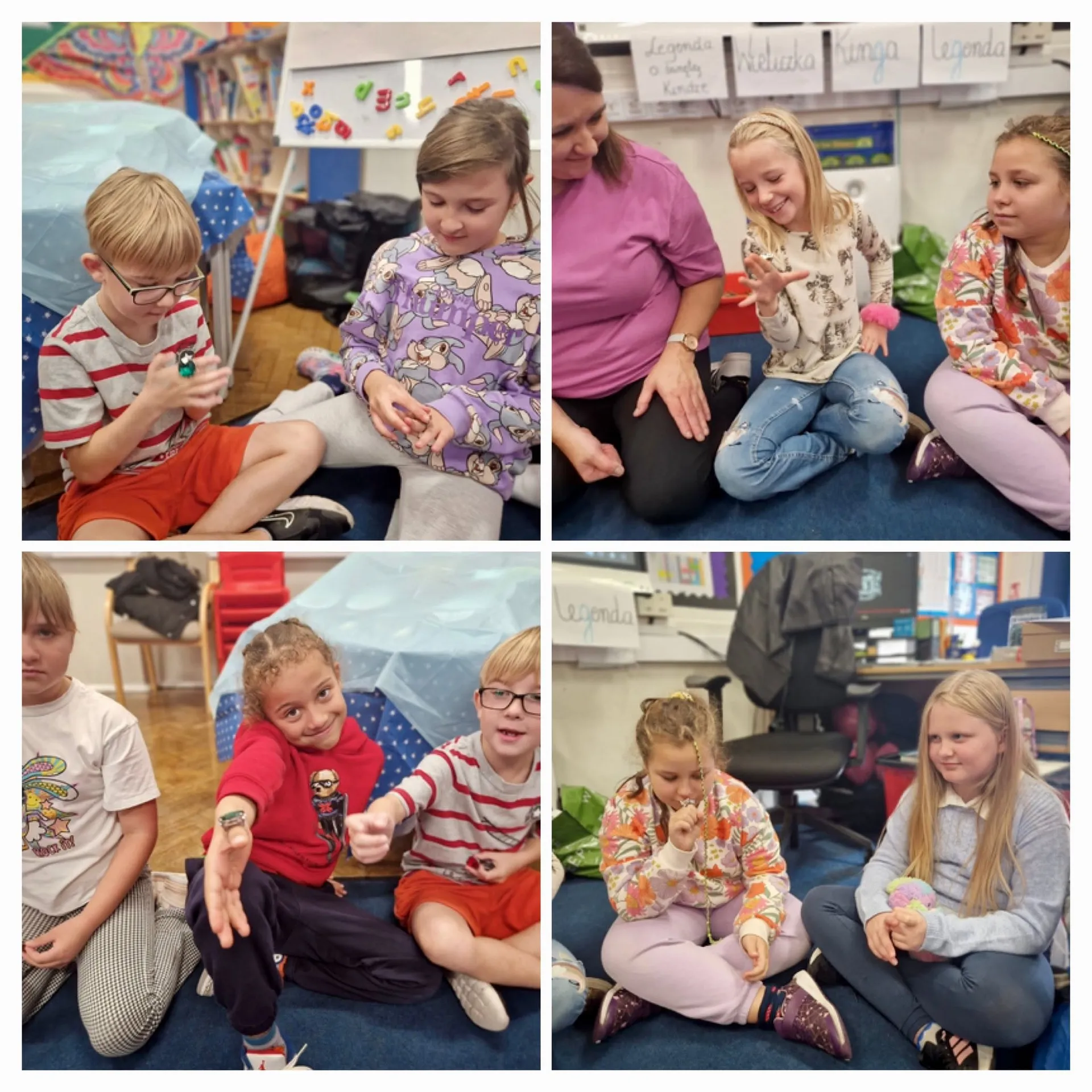
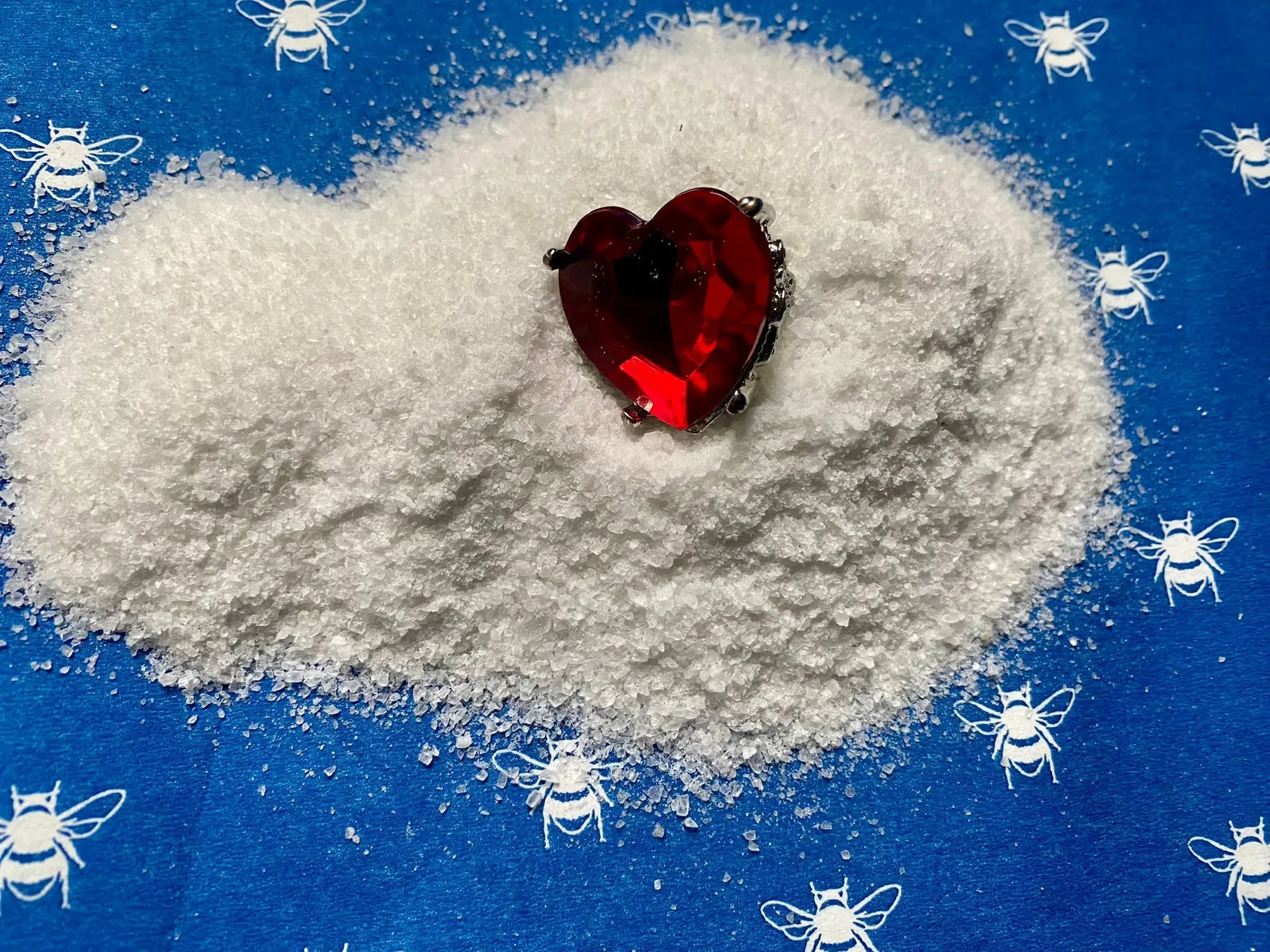
The children learnt the story of how the mine came to be through the legend of the beautiful Kinga and her magic ring, and of Bolesław, who ruled Kraków. According to the legend, the Hungarian princess, on marrying the Prince of Kraków, threw her ring into a salt-mine shaft in Hungary. The ring was later found in the first lump of salt dug out in Wieliczka.
The pupils greatly enjoyed the chance to try on ‘Kinga’s real ring’. That day, the class also learnt another sound – G, which can be heard, for instance, in the word ‘górnik’ (miner).
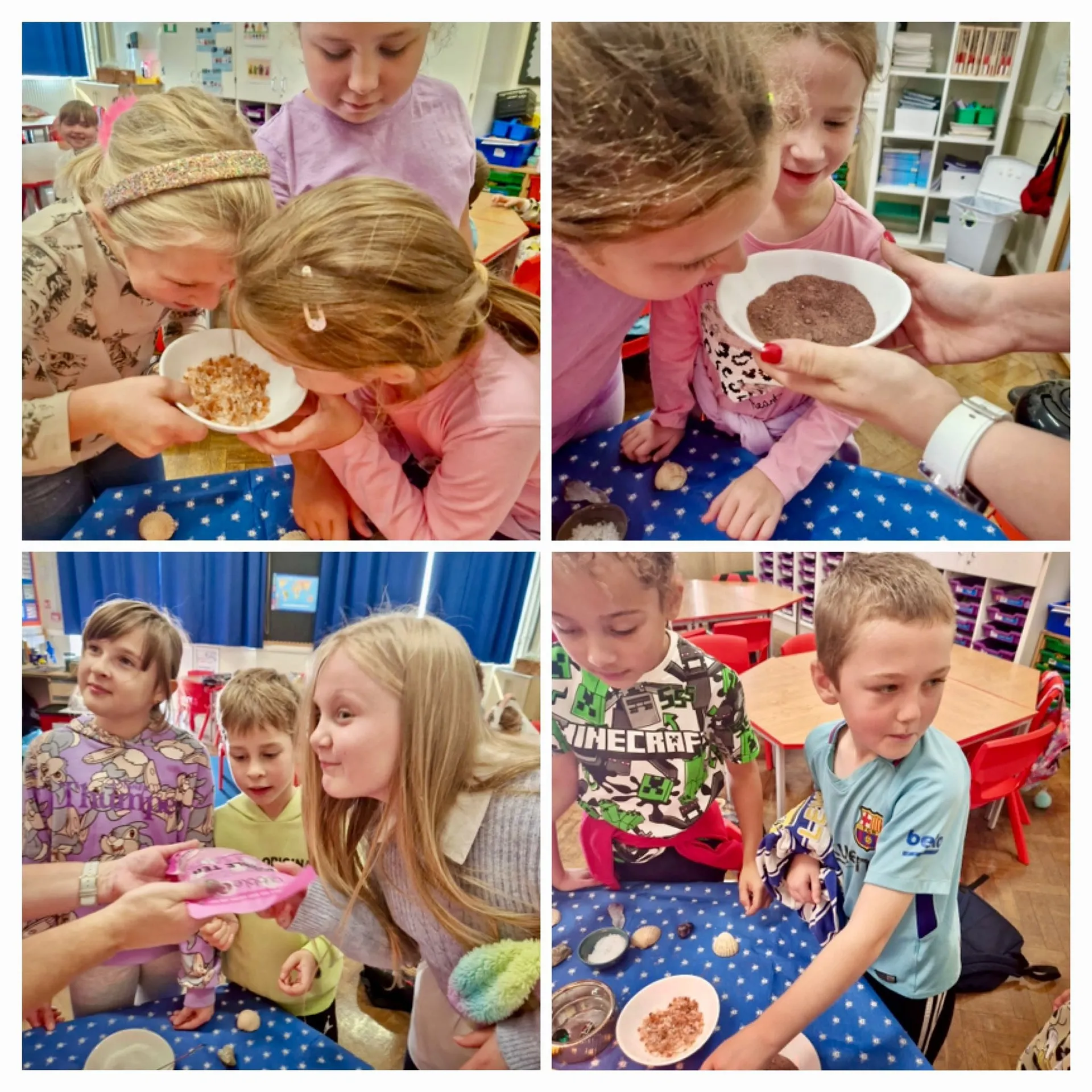
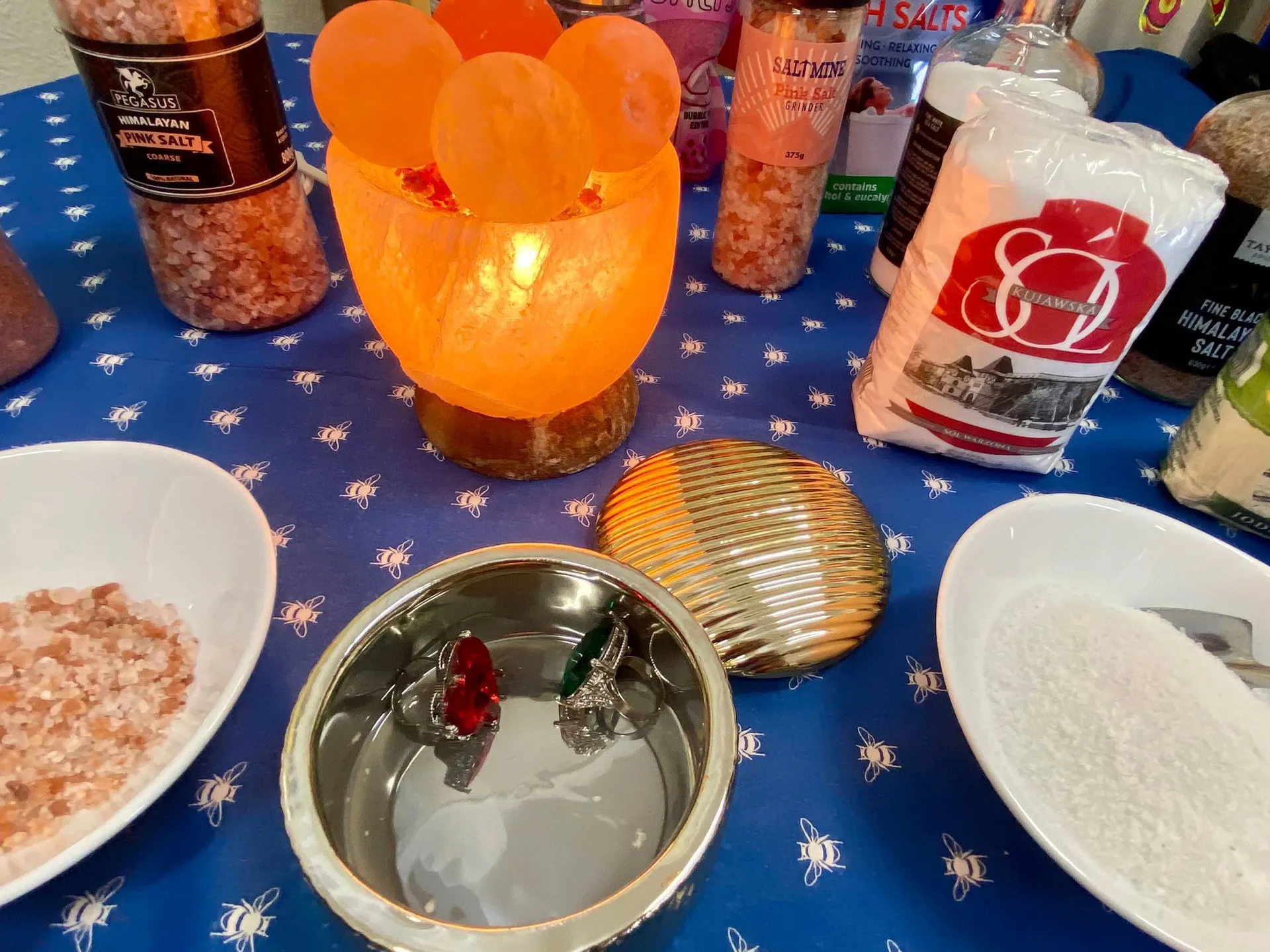
There were also activities engaging the senses: the children looked at and smelt different kinds of salt – from fine white salt to pink crystals – and tasted them too. A salt lamp stood on the table next to the jars of salt.
The Wieliczka mine, where salt was extracted from the 13th century, was in 1978 one of the first sites in the world to be added to the UNESCO World Heritage List. Visitors admire, among other things, St Kinga’s Chapel, in which the altars, bas-reliefs and even the chandeliers are made of salt. More photos from the lesson can be seen in the gallery.