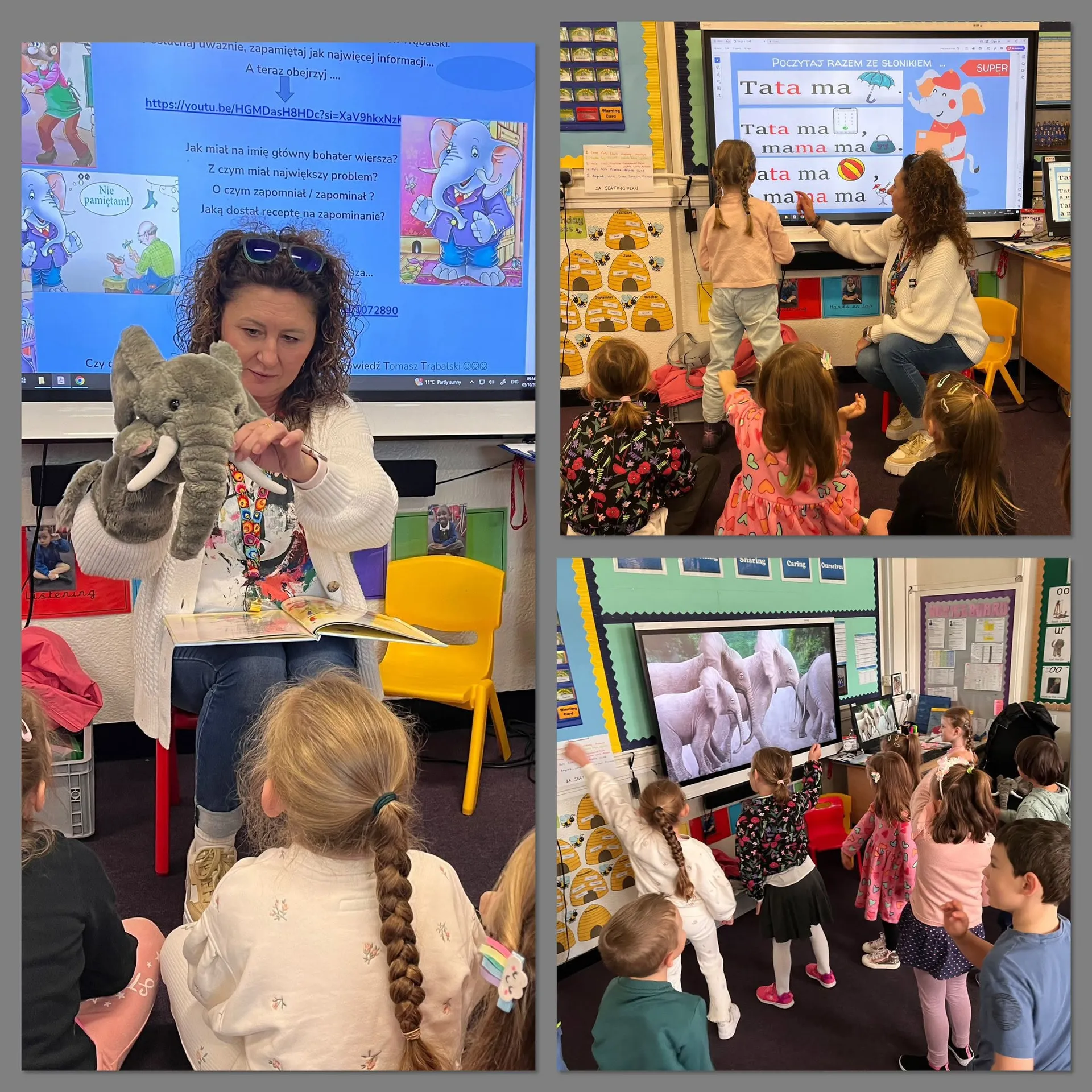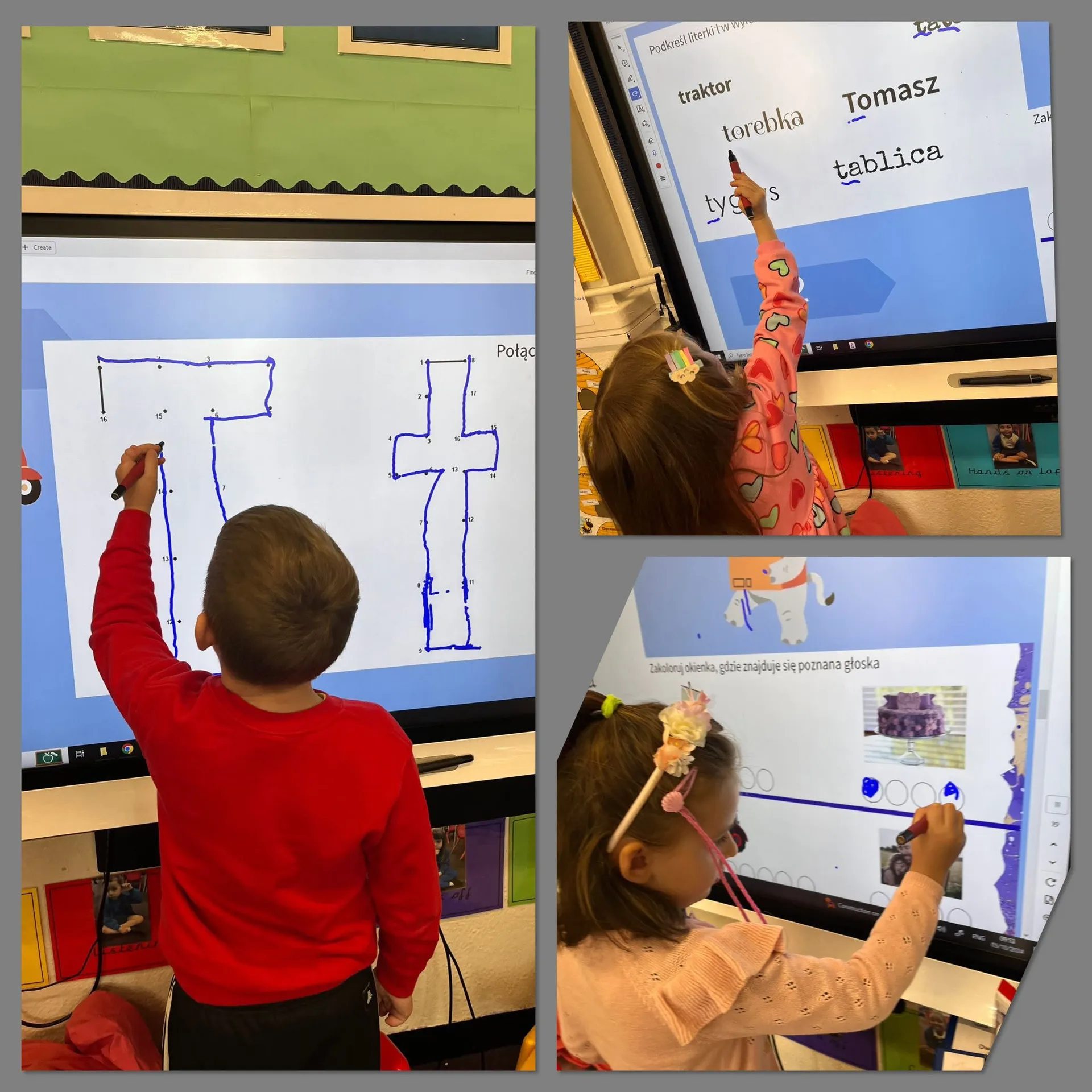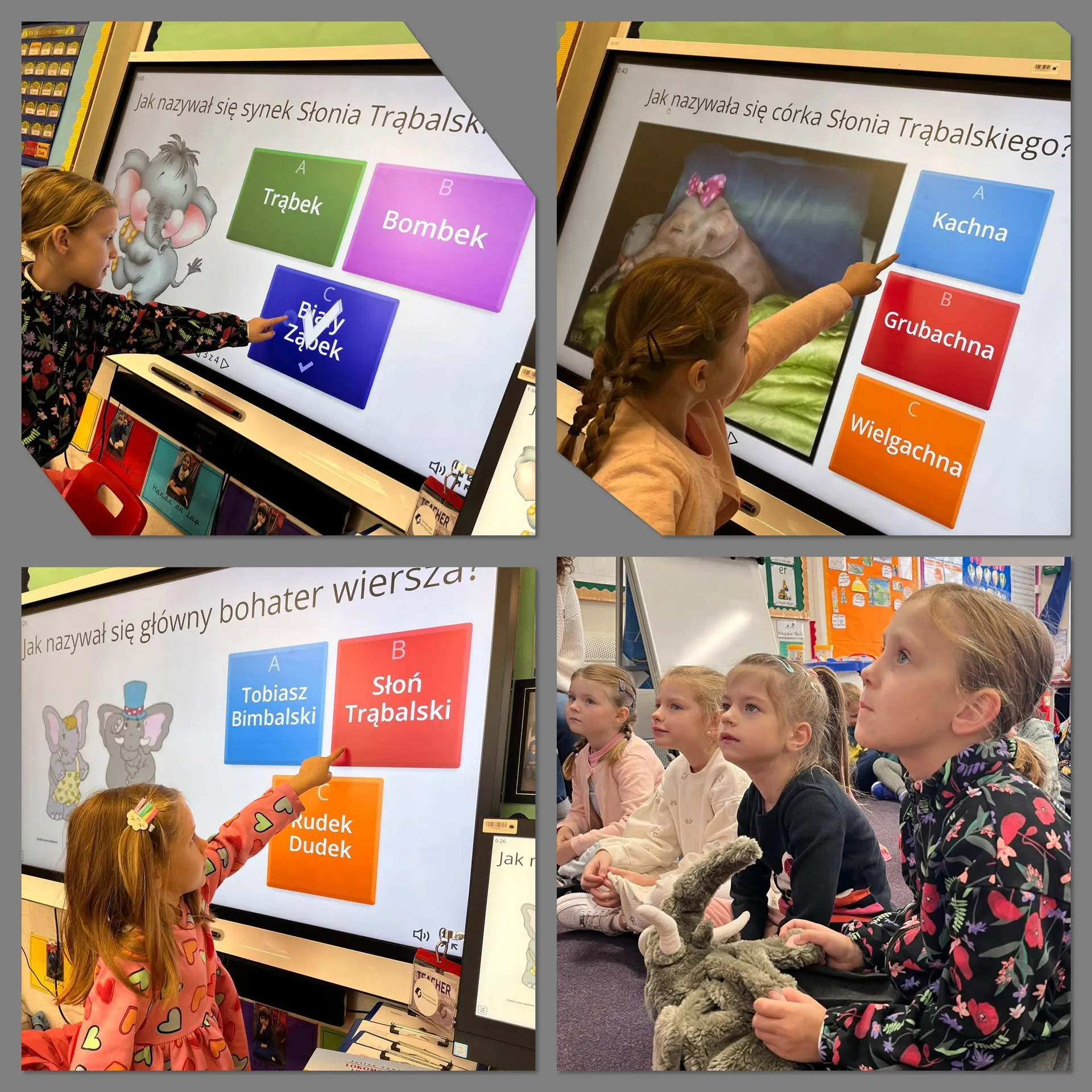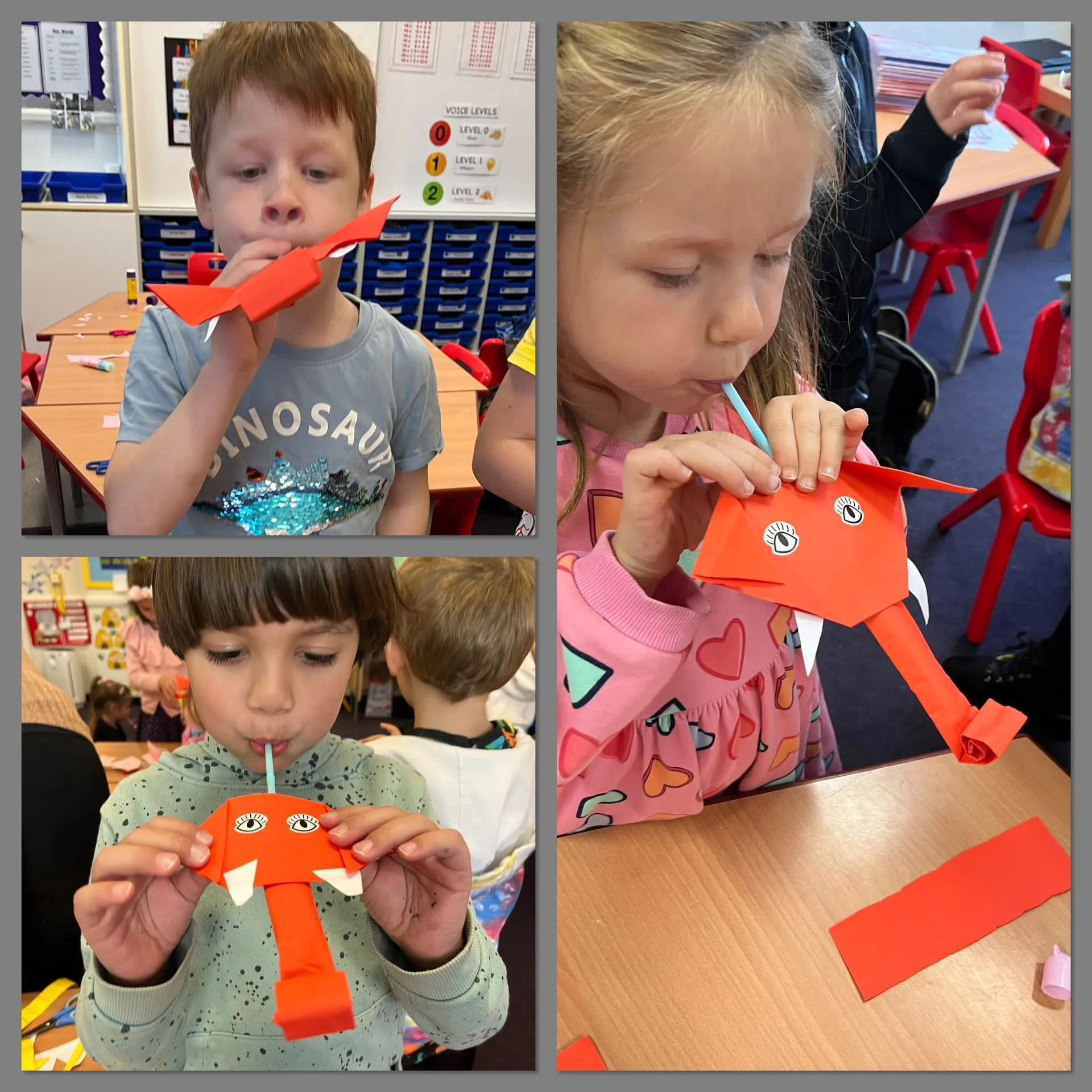


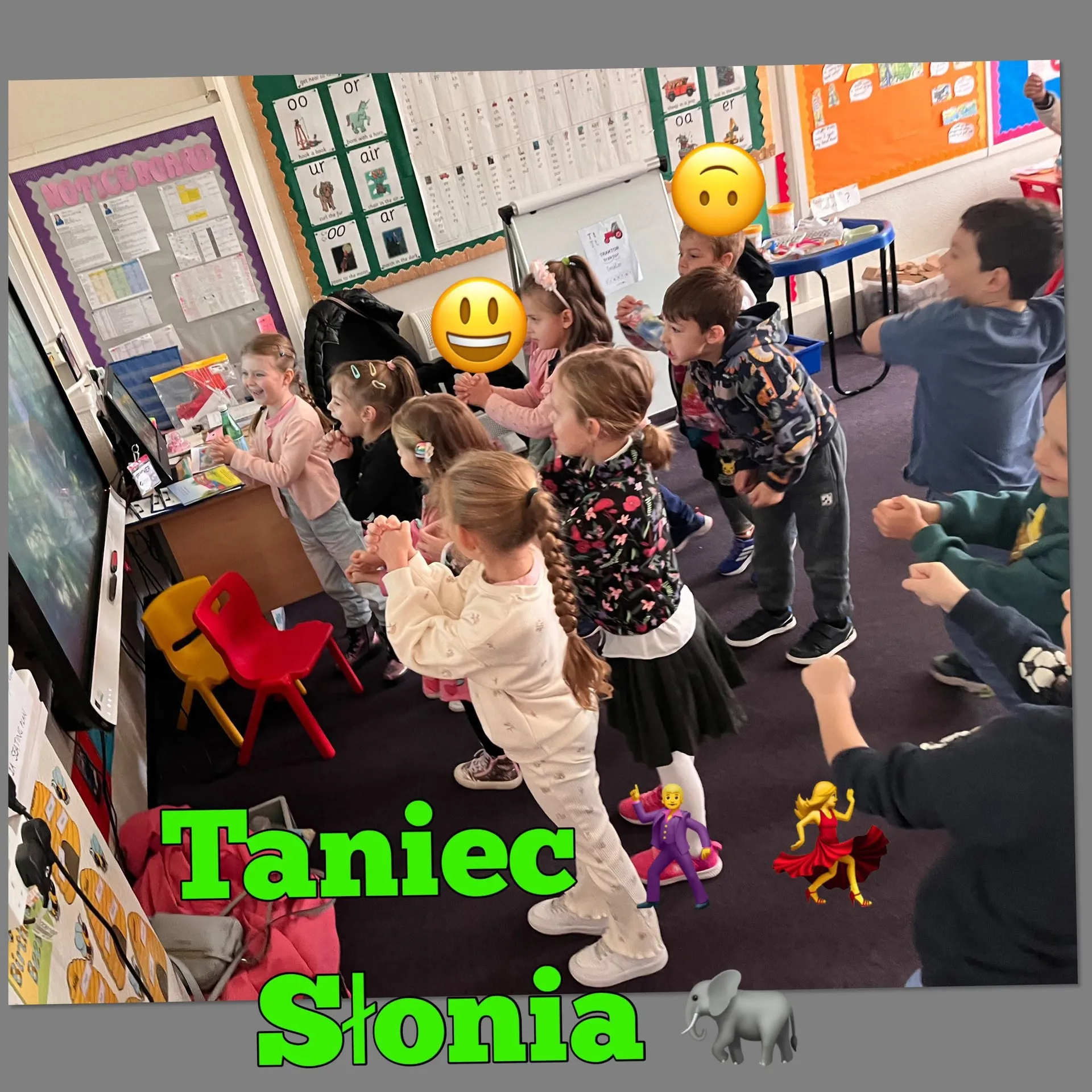
Saturday’s guest in one of our classes was Tomasz Trąbalski of Trybunalska Street – a forgetful elephant and the hero of Julian Tuwim’s poem ‘Słoń Trąbalski’ (‘Trąbalski the Elephant’). A cuddly toy elephant kept the pupils company all day: during reading, writing and quizzes, and even while they learnt the Elephant Dance.
Julian Tuwim’s poem
The pupils were introduced to some of the work of Julian Tuwim (1894–1953) – a poet born in Łódź, one of the most important figures in 20th-century Polish literature and the author of children’s poems such as ‘Lokomotywa’ (‘The Locomotive’), ‘Ptasie radio’ (‘Bird Radio’) and ‘Rzepka’ (‘The Turnip’). In his poems Tuwim loved to play with the sound of words, with rhythm and with funny names, which is why his poetry works so well in language exercises. A short note about the poet was shown on the screen, and the humorous ‘Słoń Trąbalski’ went down very well with the pupils. On the interactive whiteboard, the children did a quiz about the characters in the poem, answering questions such as the names of the members of the elephant family.
T for Tomasz Trąbalski
It is not hard to guess which sound the pupils learnt that day: T, as in forgetful Tomasz Trąbalski. The children wrote capital and lower-case T, looked for it on worksheets, read words such as ‘trawa’ (grass) and ‘tramwaj’ (tram) at the whiteboard and sorted pictures by the sound T. Recognising a sound in a word – at the beginning, in the middle or at the end – is one of the basic skills that come before independent reading and writing.
The Elephant Dance and origami elephants
There was movement too: the class learnt the Elephant Dance together. The pupils also made origami elephants with a straw – all it took was a puff to make the elephant’s rolled-up trunk unfurl, and there was no end of laughter as the trunks were blown out. More photographs from the lesson can be viewed in the gallery.