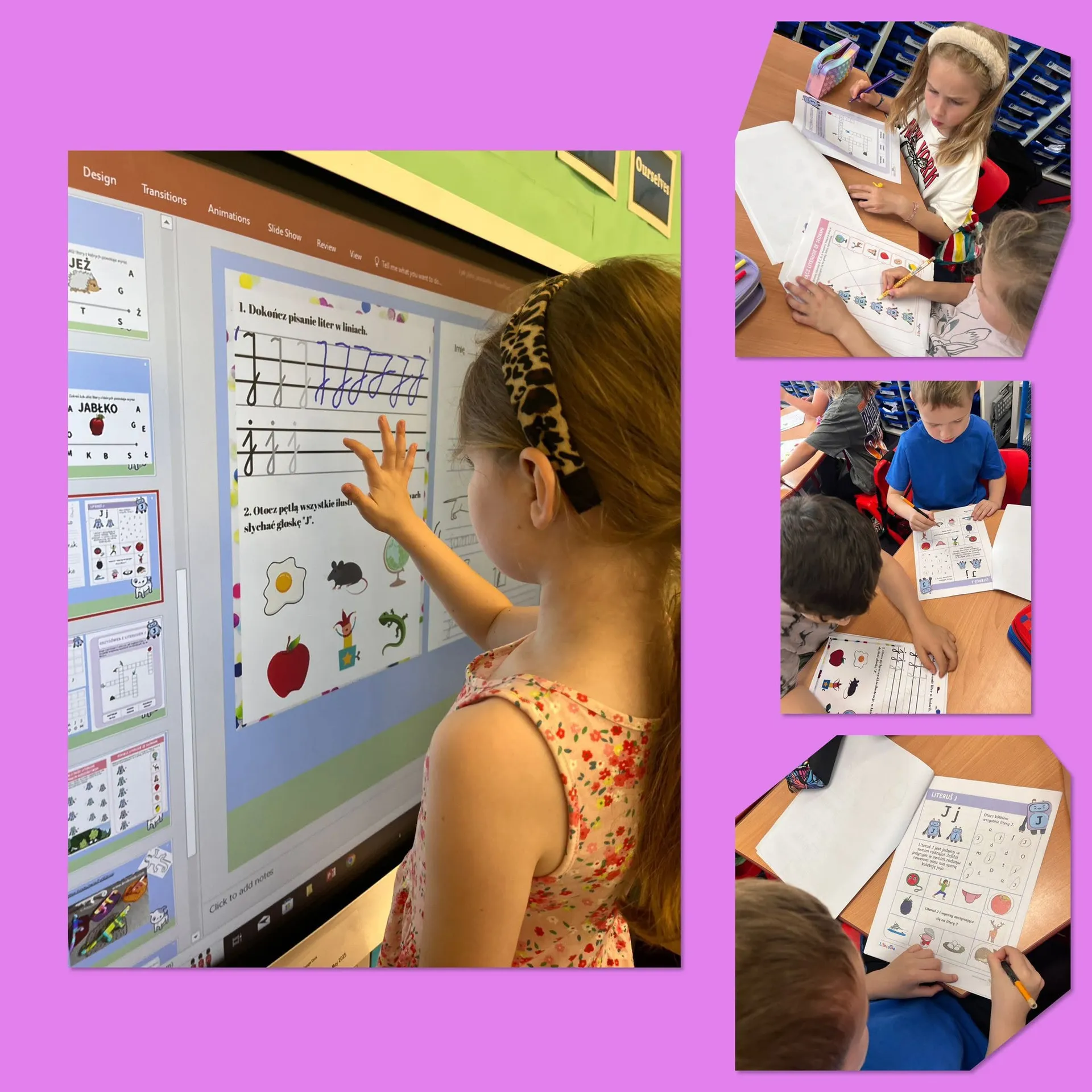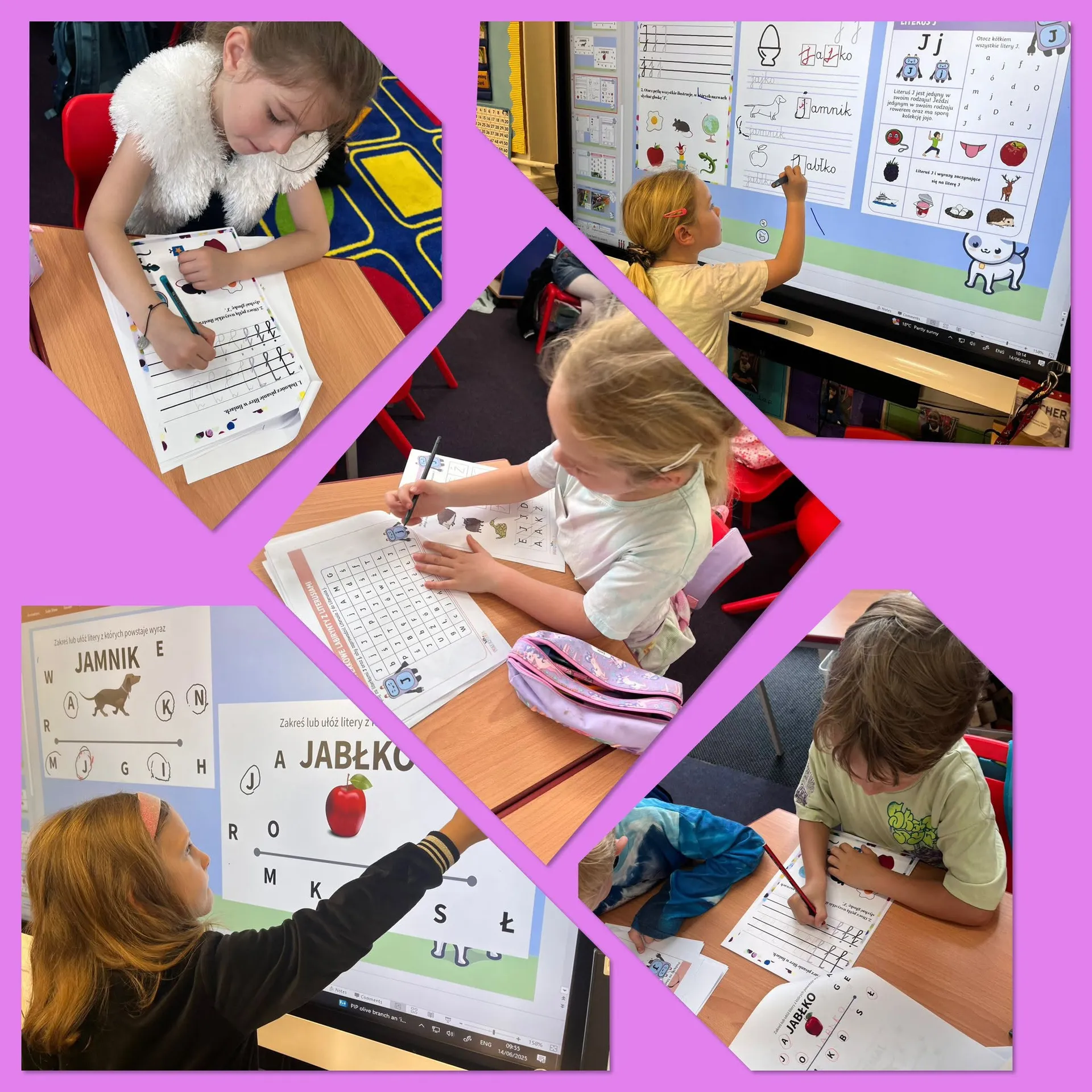


Jan Brzechwa’s poem ‘Jajko’ (‘The Egg’) amused the pupils in one of our classes and, at the same time, introduced them to the world of a new letter and sound: J. The hero of the poem is an egg convinced that it is cleverer than the hen, and the age-old question of which came first – the chicken or the egg – still gives the class no peace.
Jan Brzechwa (1898–1966) is one of the best-loved Polish children’s authors, the creator of ‘Akademia pana Kleksa’ (‘Mr Blot’s Academy’) and of poems such as ‘Na straganie’ (‘At the Market Stall’) and ‘Kaczka-dziwaczka’ (‘The Peculiar Duck’). His works combine humour with wordplay, which is why they work so well in Polish lessons: a funny text makes it easier to remember new words and sounds.
J for jajko (egg), jaszczurka (lizard) or jabłko (apple) – the pupils really enjoyed these associations. The letter J deserves particular attention when teaching bilingual children. In Polish it stands for the sound usually written in English with the letter ‘y’, as in ‘yes’, whereas the English ‘j’ in ‘jam’ sounds completely different. The pupils practised recognising and writing the letter at the interactive whiteboard, where they matched pictures to words, and on worksheets, which also featured other words with this letter, such as ‘jamnik’ (dachshund). The class completed all the tasks quickly and efficiently.
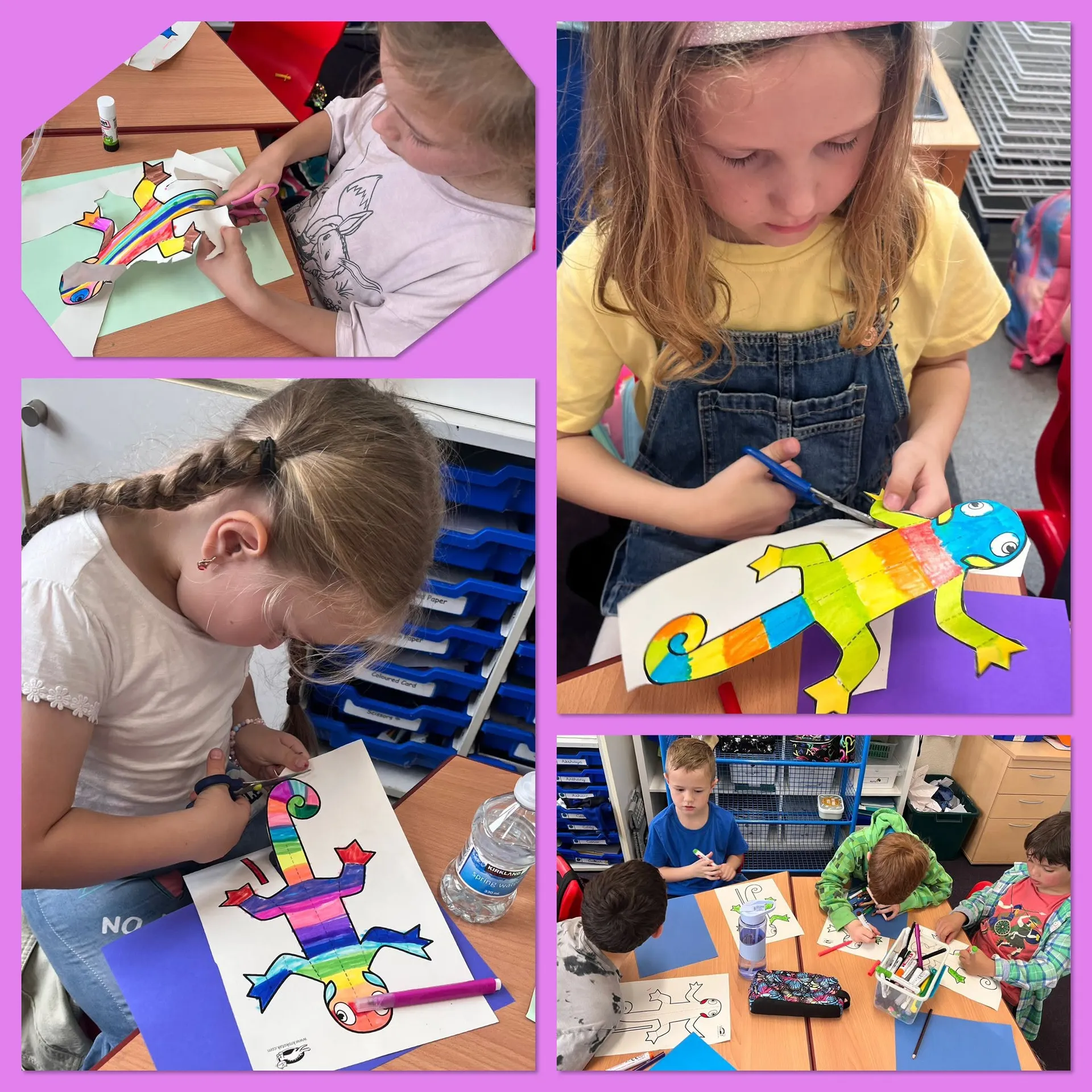
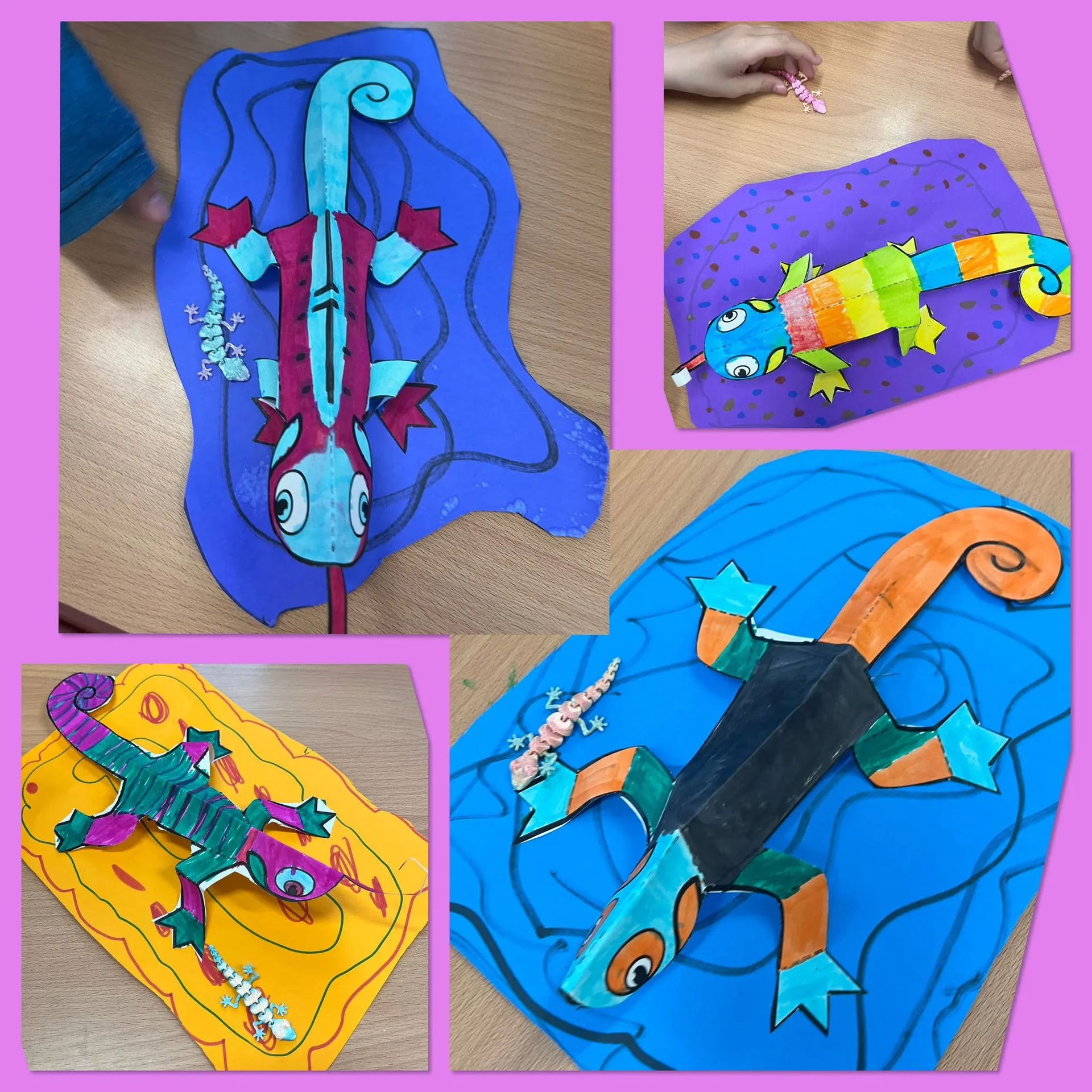
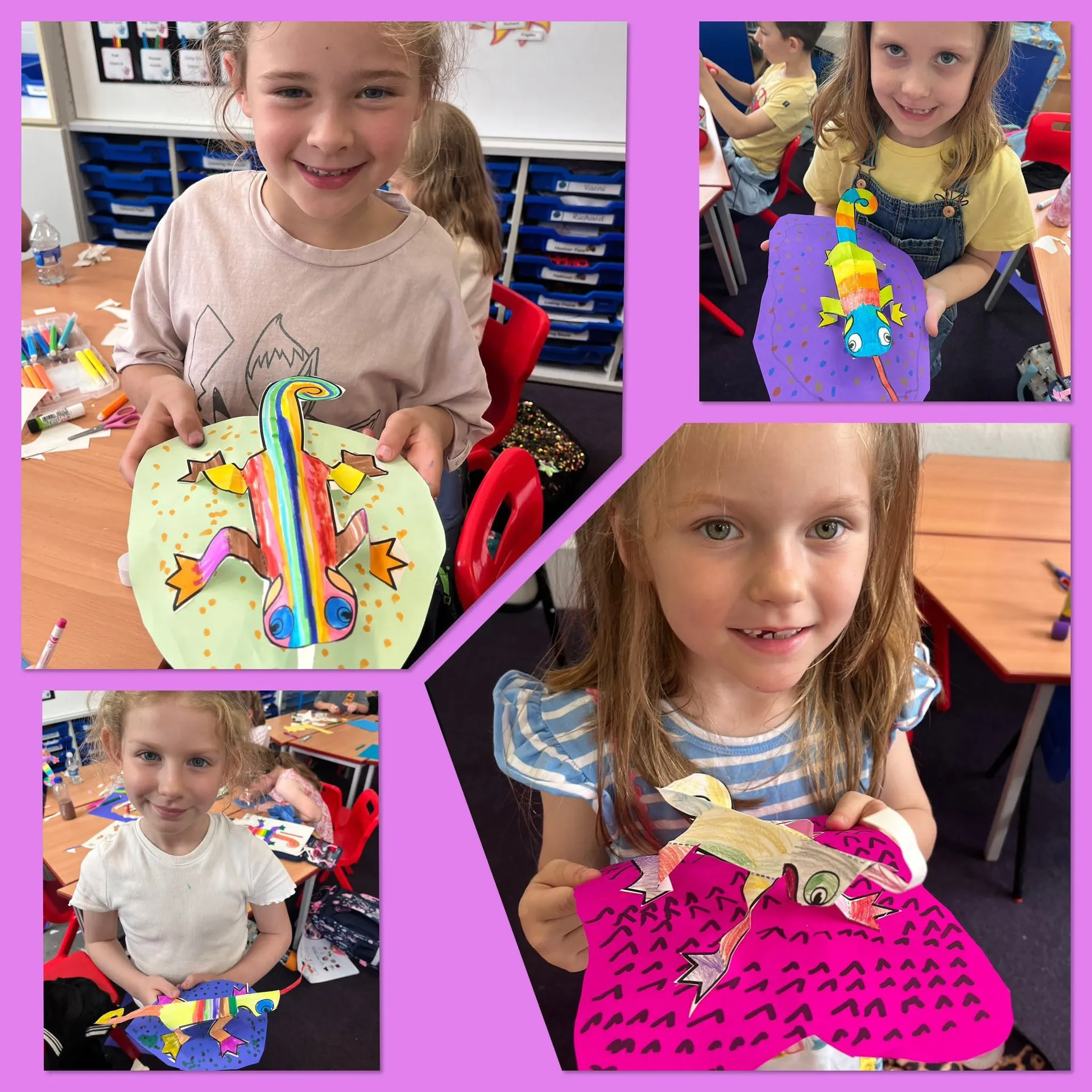
At the end of the day, the children made their own paper lizards, decorated with colourful patterns and with curled tails. More photos from the lesson can be seen in the gallery.