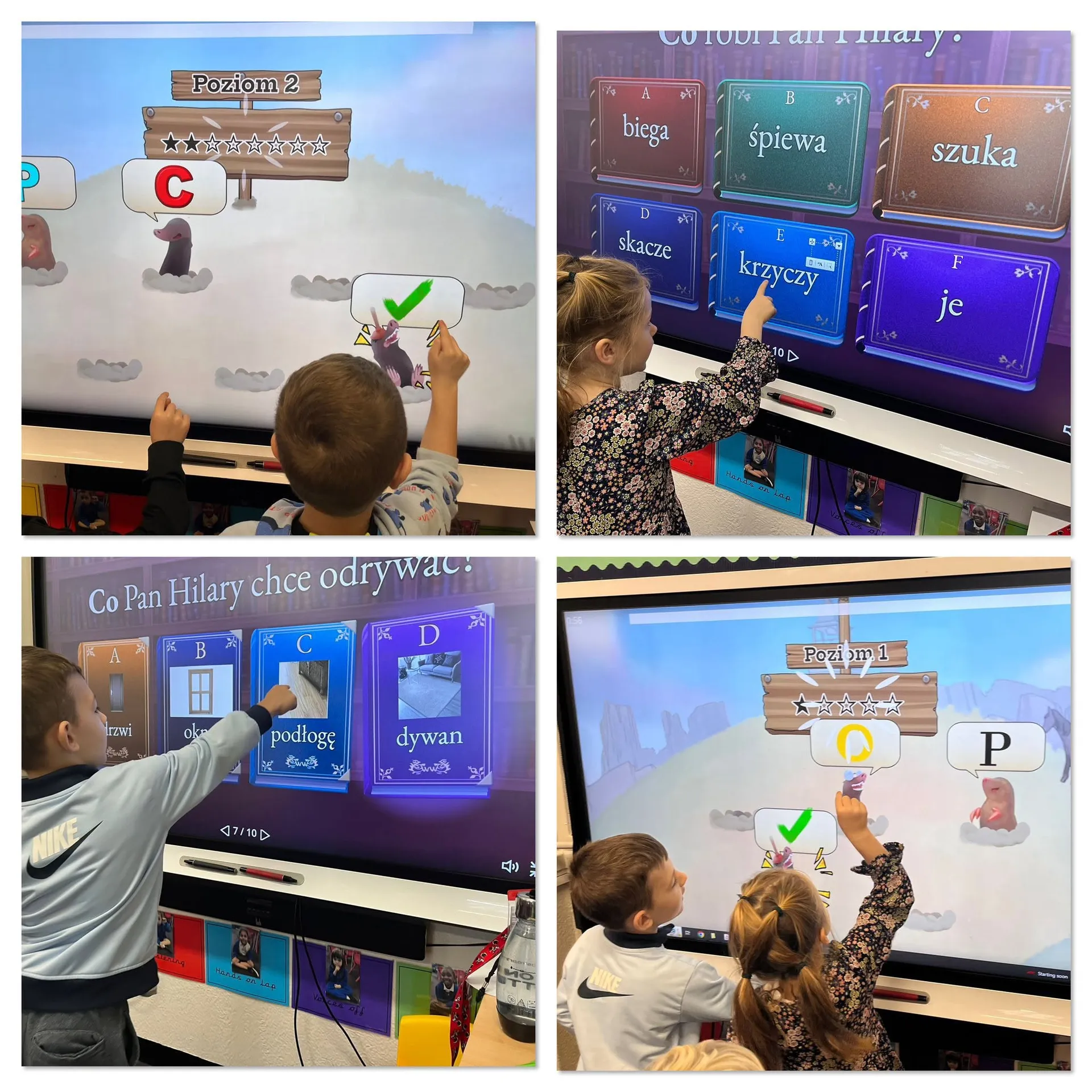


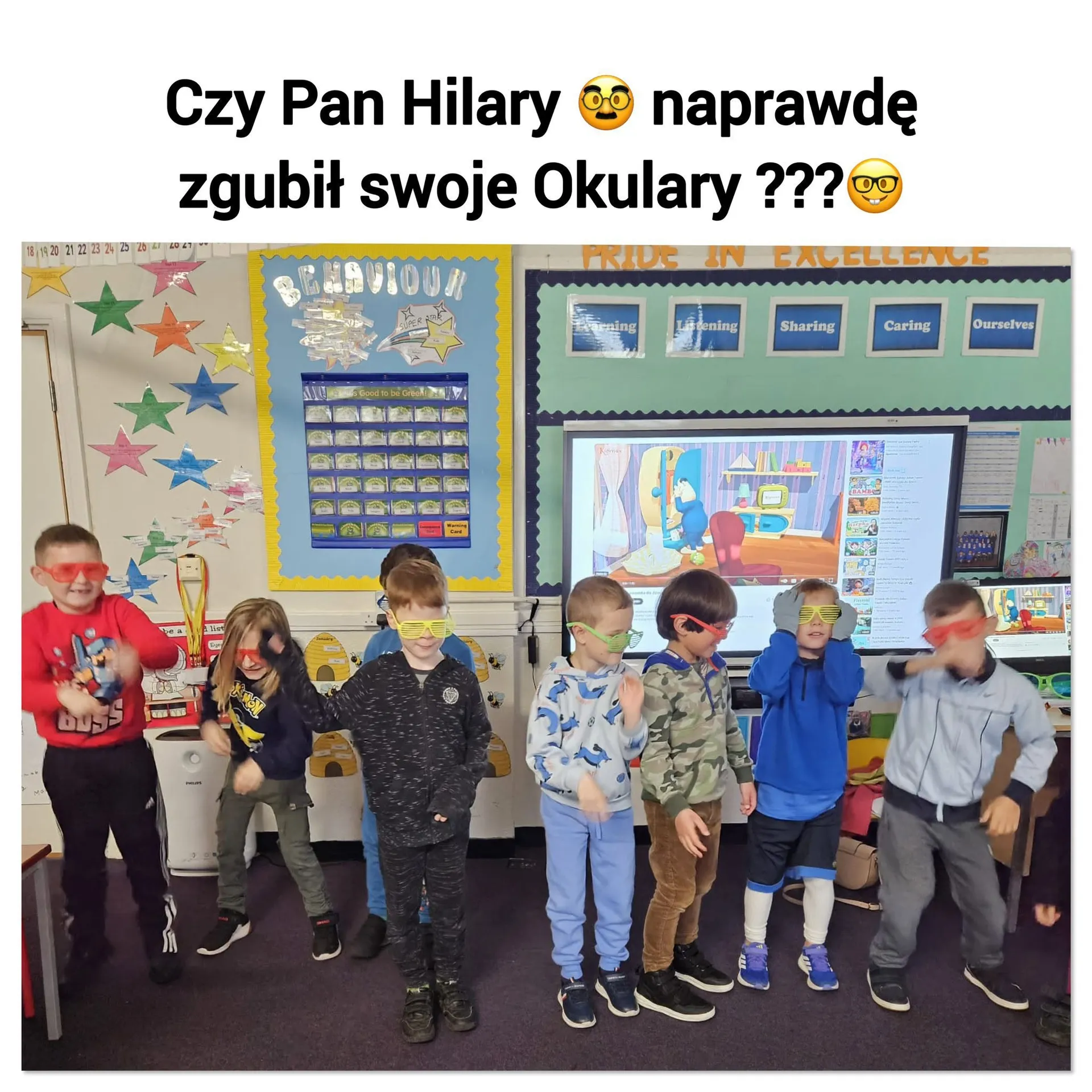
During Saturday lessons, one of our classes was visited by Mr Hilary – the absent-minded hero of Julian Tuwim's poem ‘Pan Hilary’. The guest had lost his glasses, and the pupils rushed to help him. Over the course of the day the children interpreted the poem together, learnt the letter O and, in the last lesson, made sheep out of popcorn.
Where are Mr Hilary's glasses?
The glasses were searched for everywhere – in trousers, in shoes and in the wardrobe – and the search was so eager that the children almost pulled up the classroom carpet. The glasses turned up, of course, just where they do in Tuwim's poem: on Mr Hilary's nose. It was a crazy Saturday: the interpretation of the poem reduced everyone to tears, and the class found both the glasses and the sound ‘o’ in record time.
Julian Tuwim (1894–1953) was one of the most important Polish poets of the 20th century, the author of, among others, ‘Lokomotywa’ (The Locomotive) and ‘Ptasie radio’ (Bird Radio). His poems for children, full of humour and rhythm, have for generations helped the youngest get used to the sound of the Polish language.
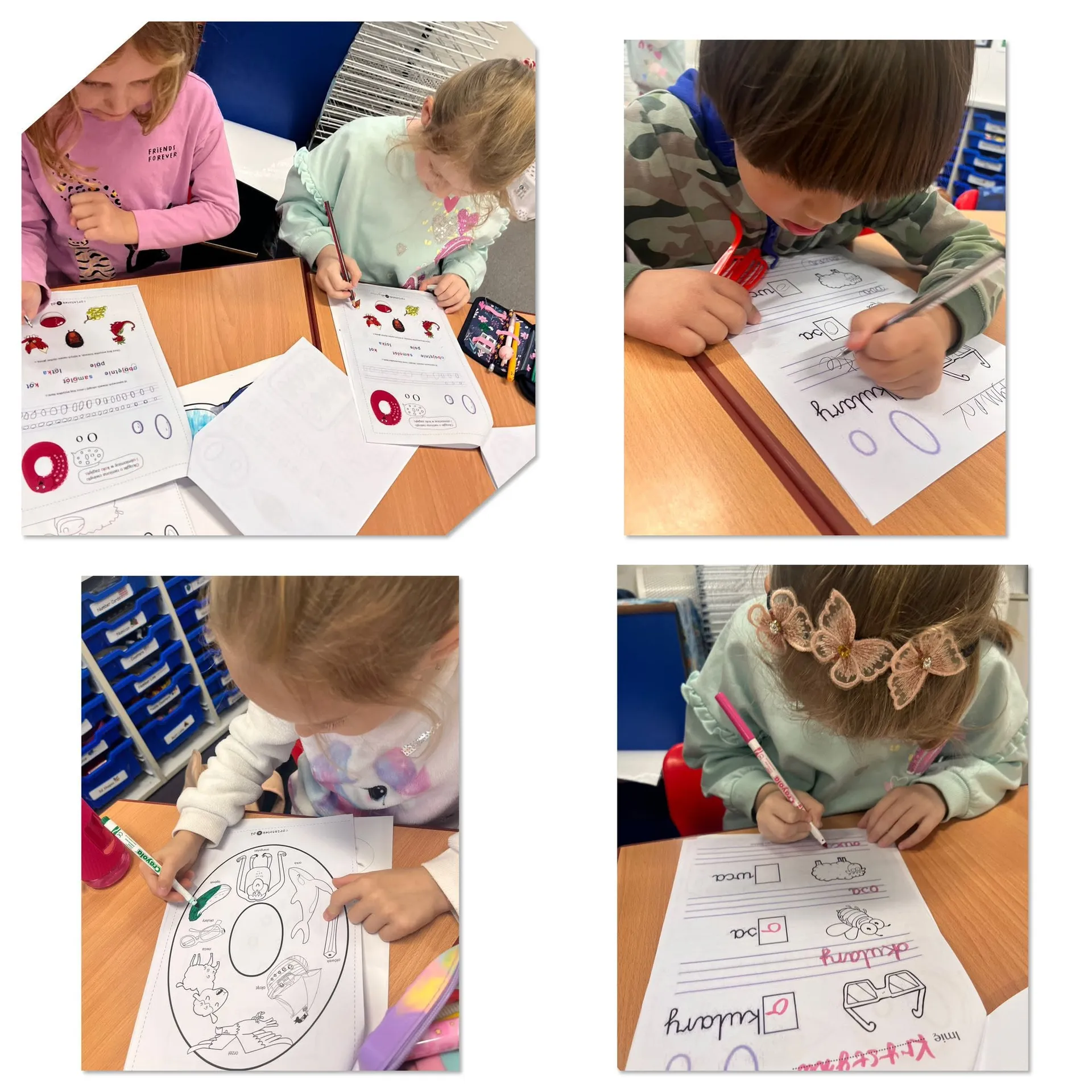
The letter O in games and worksheets
Interactive whiteboard games and worksheets helped the pupils consolidate the capital and lower-case letter O, as well as the poem itself. The children also cut glasses shapes out of paper and coloured in portraits of characters wearing large glasses, and there was no shortage of colourful toy glasses in the classroom. It is worth remembering that in the Polish alphabet, alongside ‘o’ there is also ‘ó’, pronounced the same as ‘u’; telling ‘ó’ and ‘u’ apart in spelling is one of the first challenges of Polish orthography.
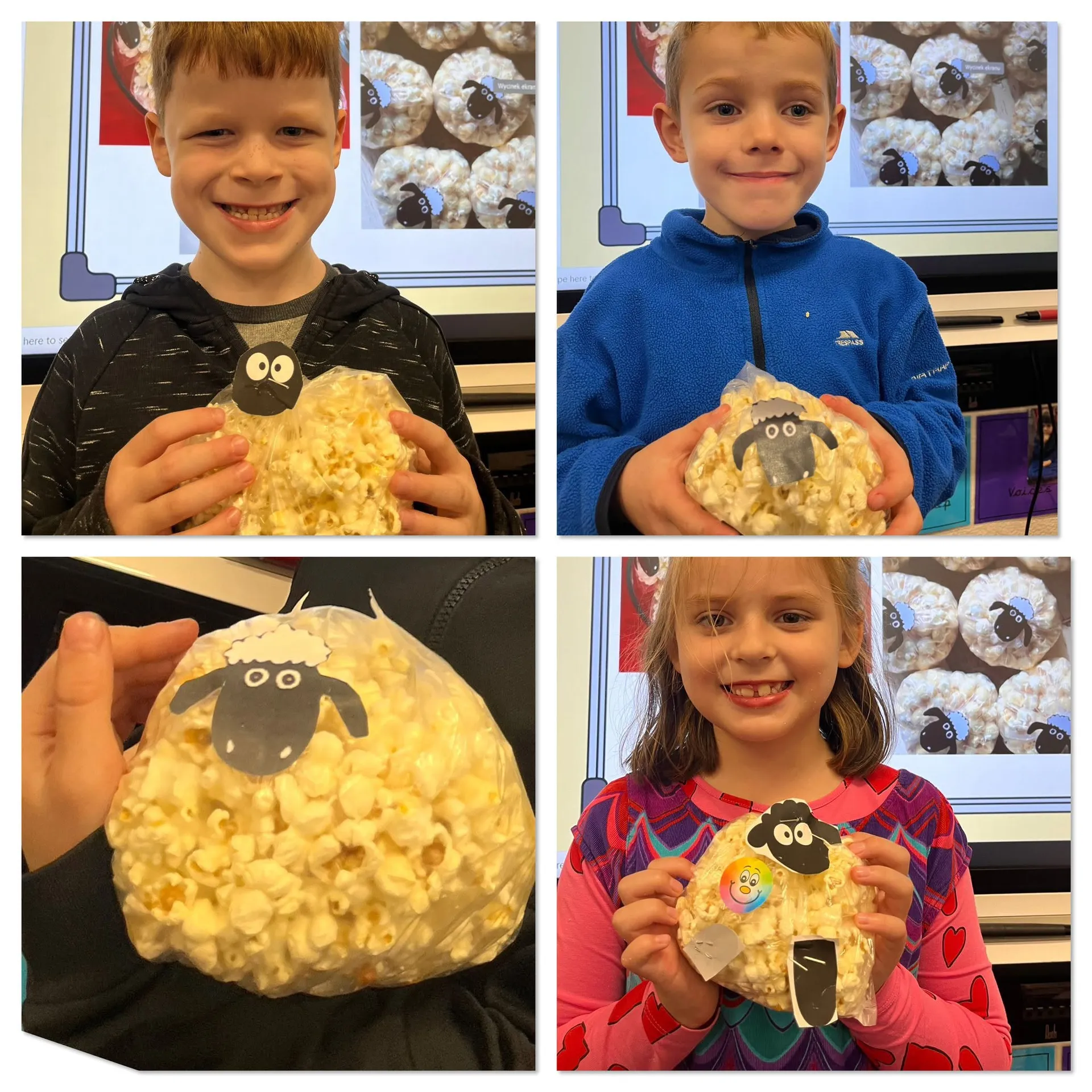
Popcorn sheep
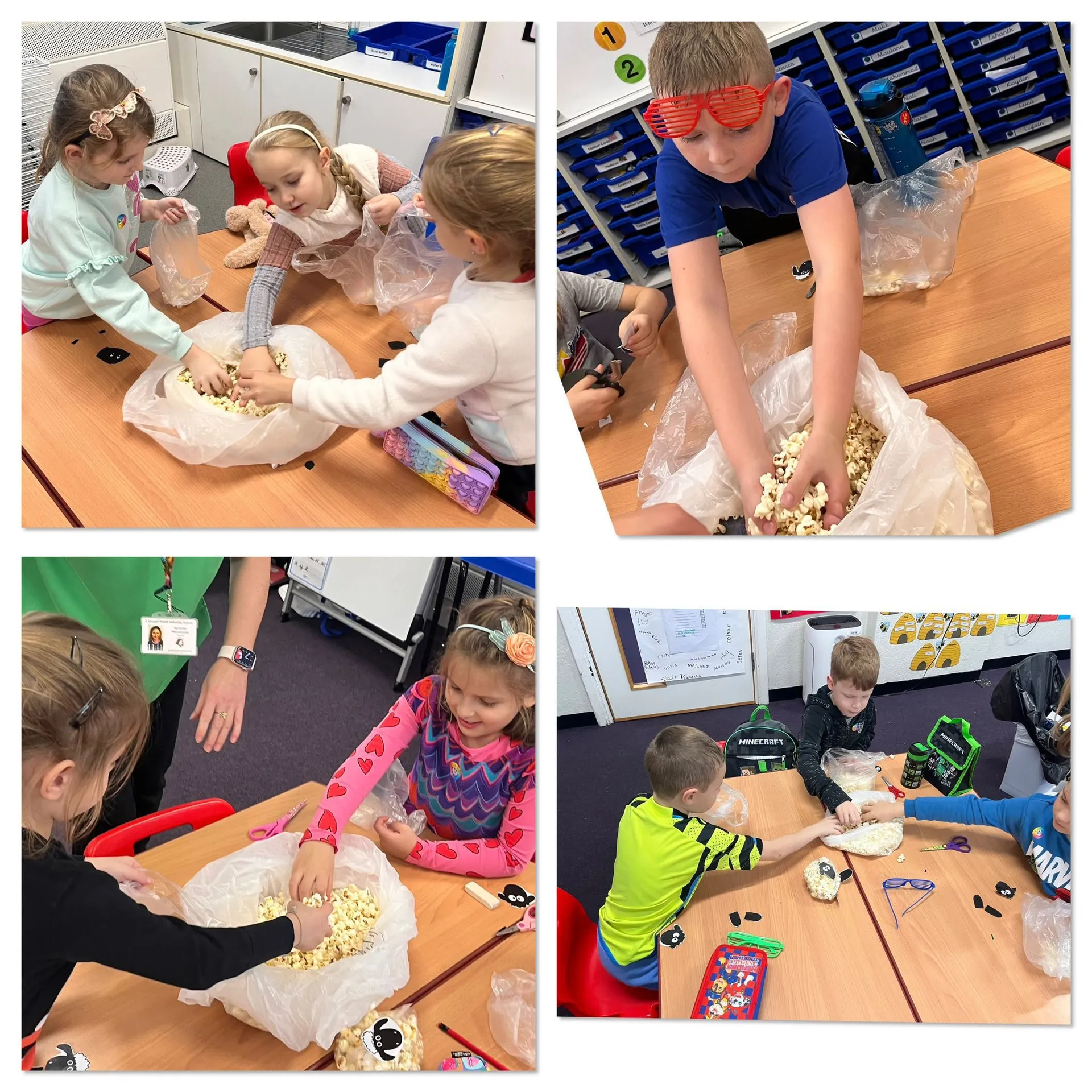
In the last lesson the pupils made sheep out of popcorn – even though the treat mysteriously kept disappearing from the tables. The sheep turned out brilliantly. The children deserve applause for their teamwork, commitment and the joy with which they are learning Polish at our school. More photos from the lessons can be seen in the gallery.