

What is a legend? Did the Wawel Dragon (Smok Wawelski) really exist, and did it live in the Dragon's Den? Where is Kraków on the map of Poland? Pupils looked for the answers to these questions during lessons devoted to one of the best-known Polish legends.
A legend is a story passed down from generation to generation, in which real places and people are interwoven with fantastical elements. So it is with this story: in the best-known version of the tale, the dragon was defeated by a clever young shoemaker, who left out for it a ram stuffed with sulphur. The dragon itself belongs to the world of imagination, but the Dragon's Den (Smocza Jama) is a real cave inside Wawel Hill, and at its mouth, by the River Vistula, there now stands a fire-breathing dragon statue by Bronisław Chromy. Kraków lies in southern Poland, on the Vistula, and for centuries was the capital of the country and the place where Polish kings were crowned.
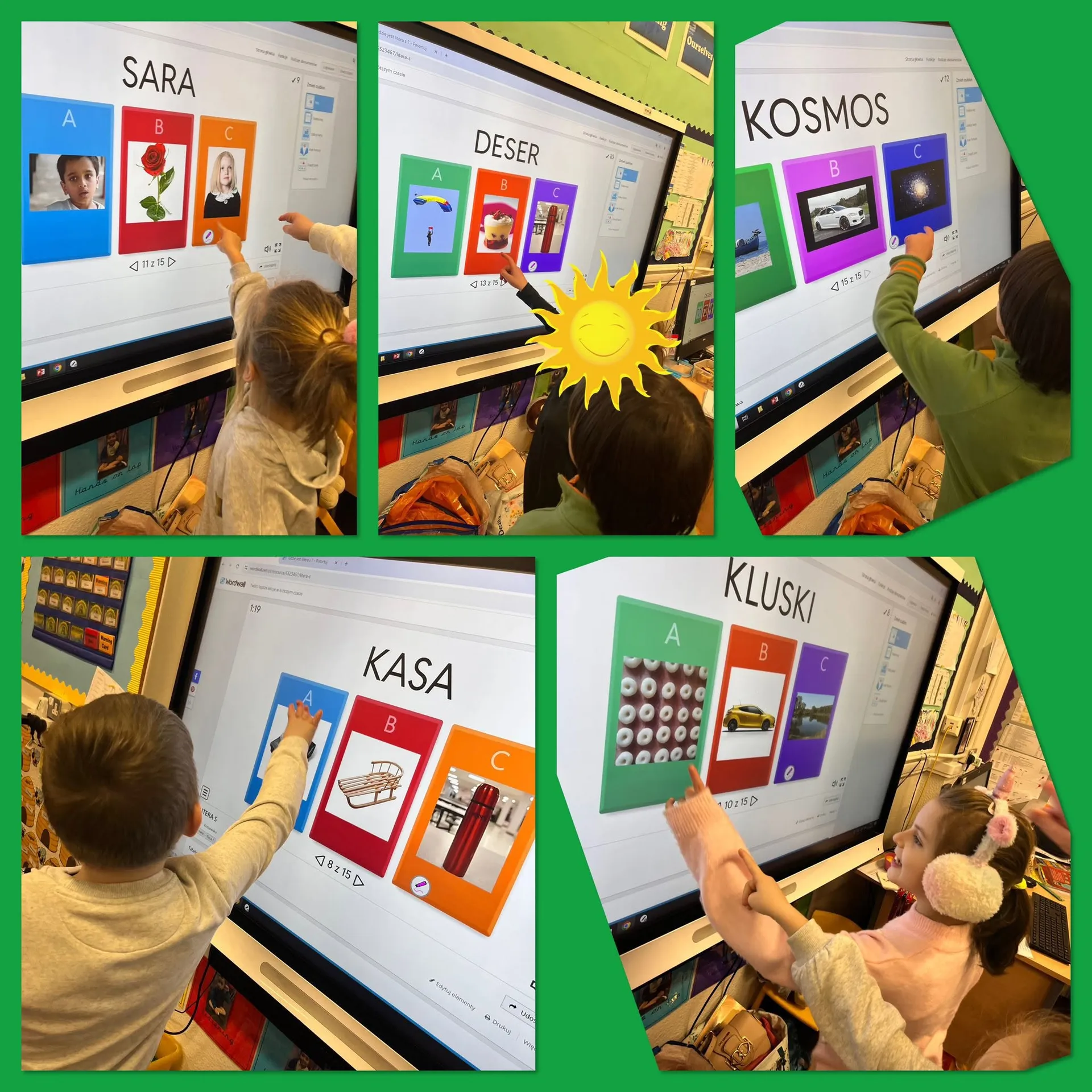
The hero of the legend also helped with learning a new sound – S, as in the words ‘smok’ (dragon) and ‘sowa’ (owl). Pupils consolidated it through interactive games, quizzes and tasks: on the whiteboard they matched pictures to words such as ‘kosmos’ (space), ‘kluski’ (dumplings), ‘sroka’ (magpie) and ‘statek’ (ship), searched for words beginning with the sound S and joined up dots forming the shape of the letter S.
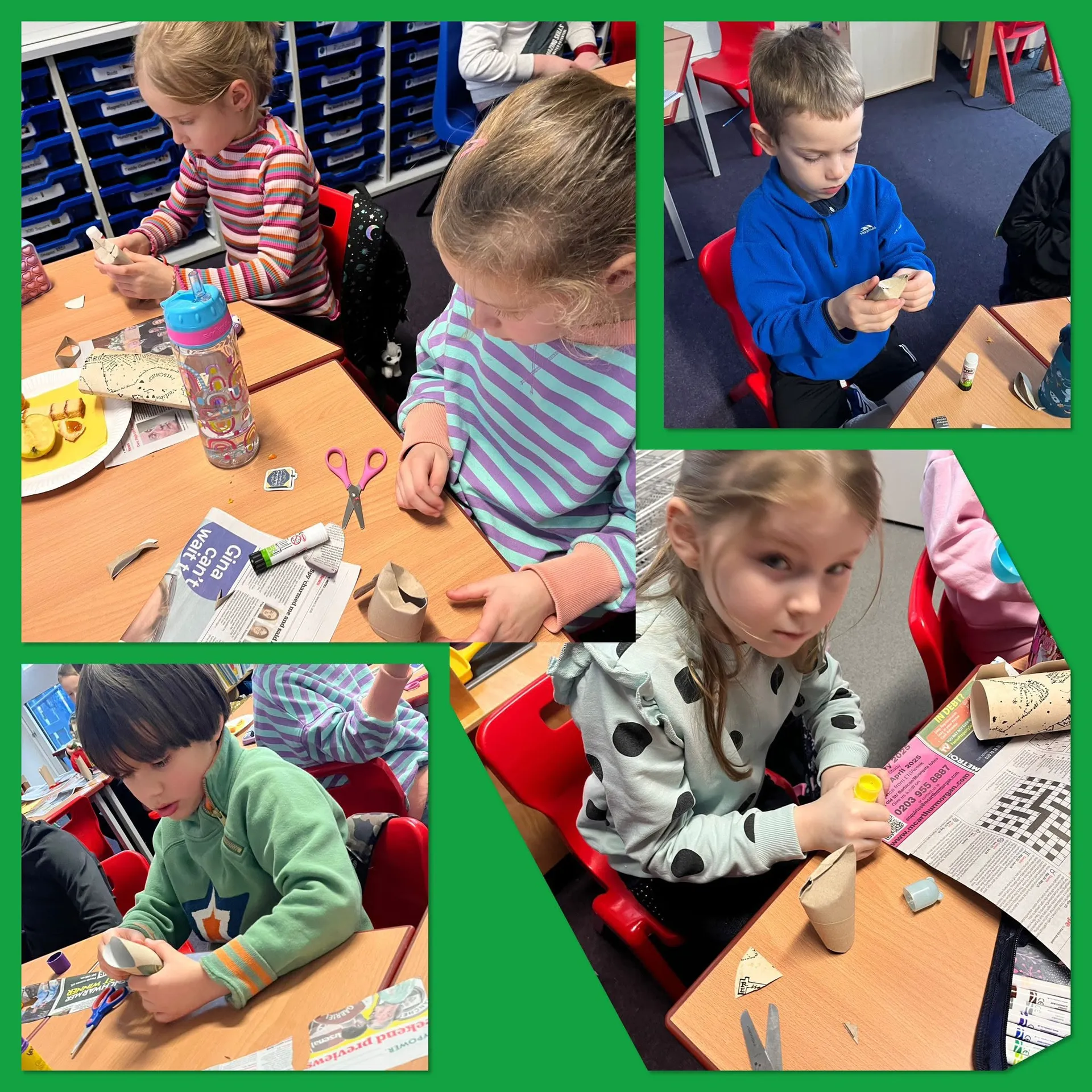
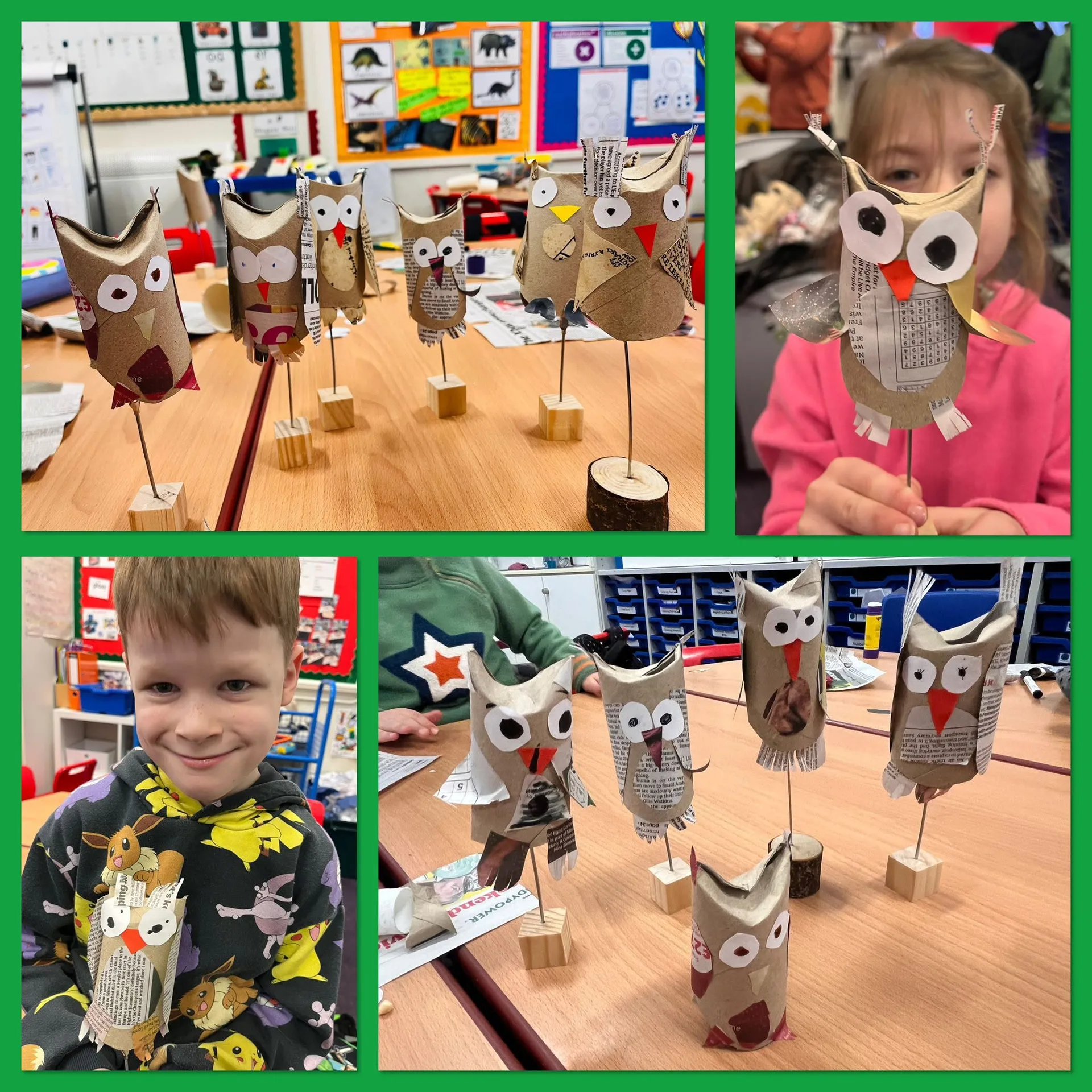
In the last lesson, they made owls on stands from cardboard tubes. These are to stand on the pupils' desks, as the owl is regarded as a symbol of wisdom and knowledge – in ancient Greece it was the bird of Athena, goddess of wisdom. More photos from the lessons can be seen in the gallery.