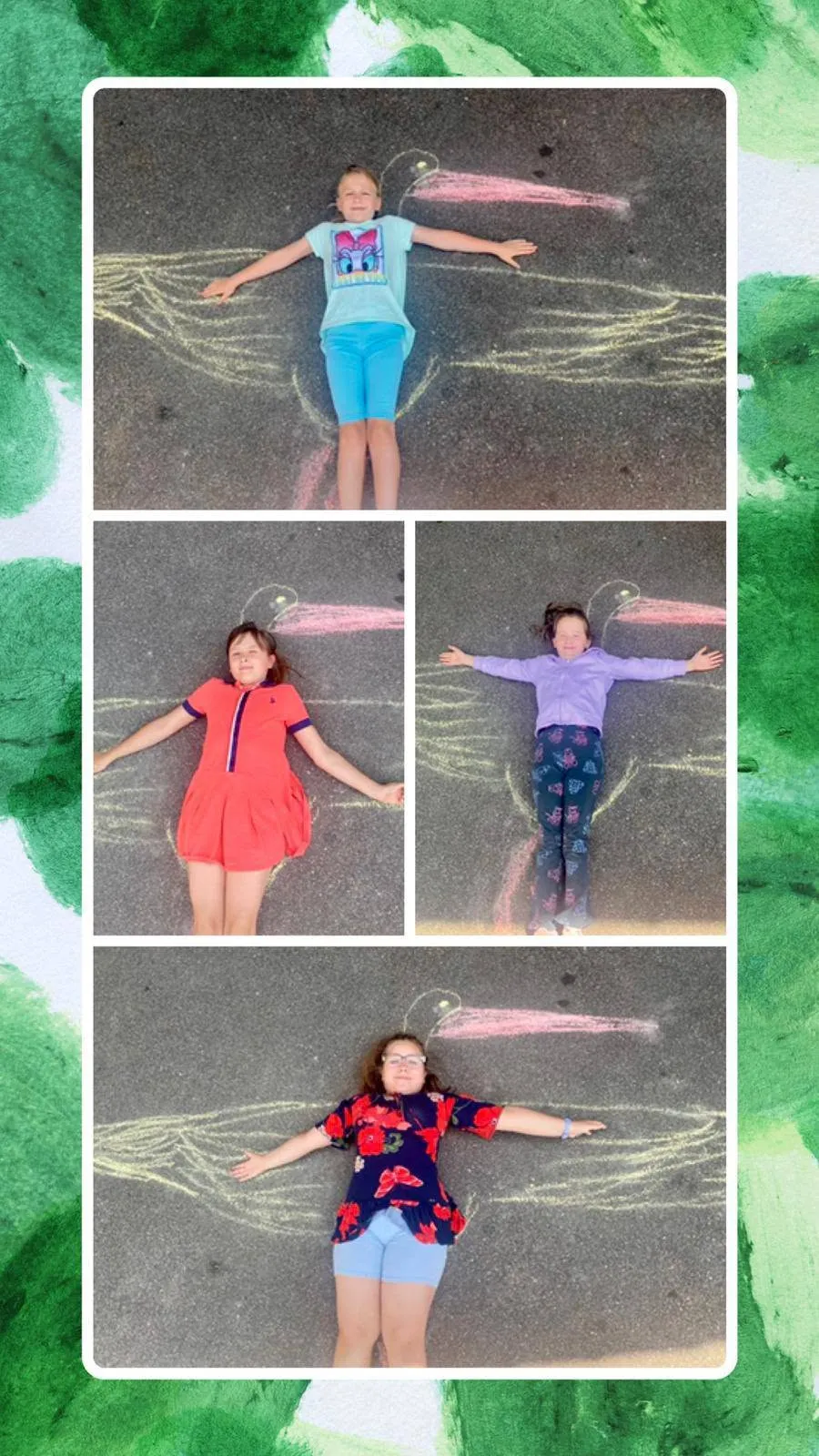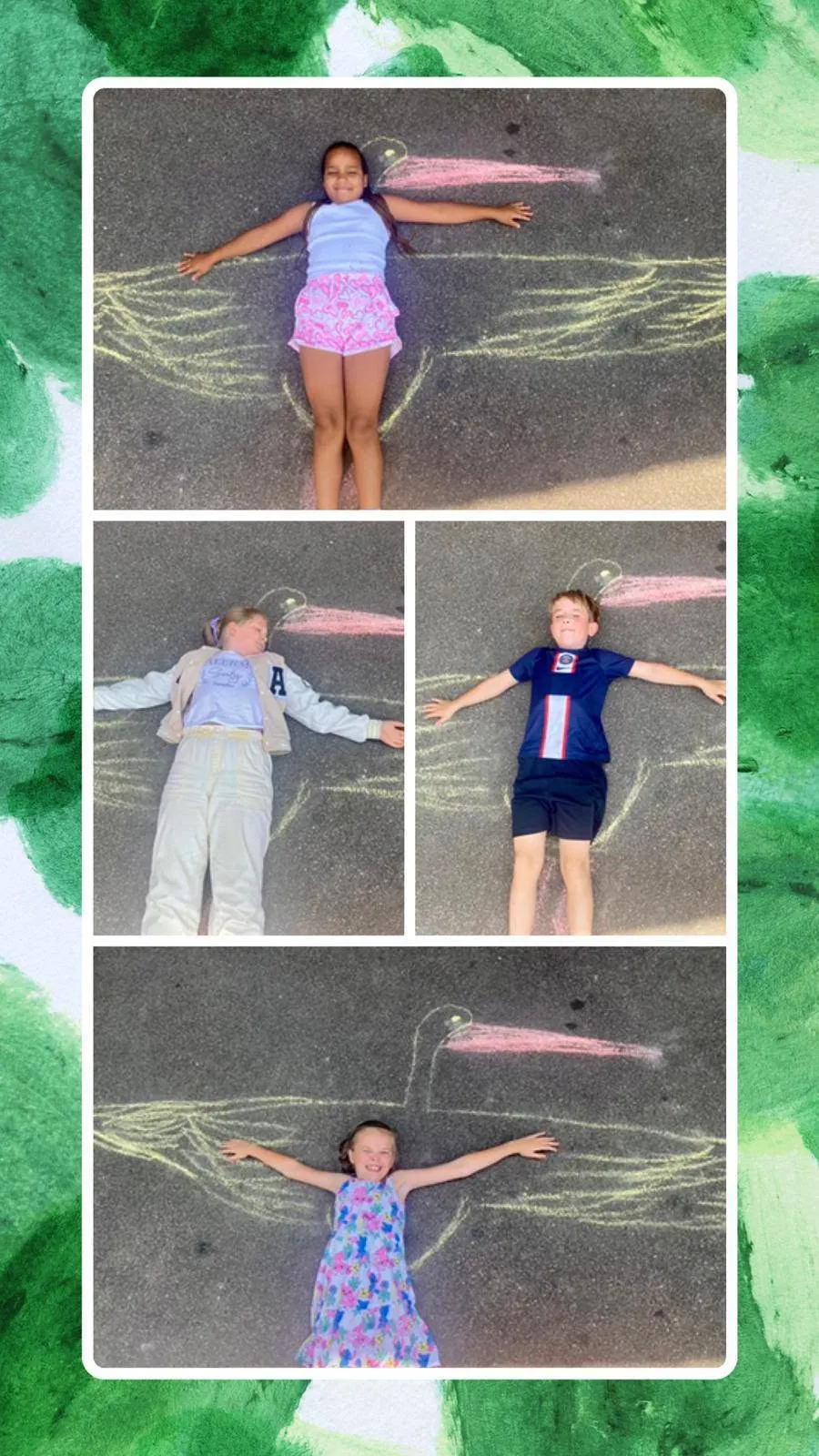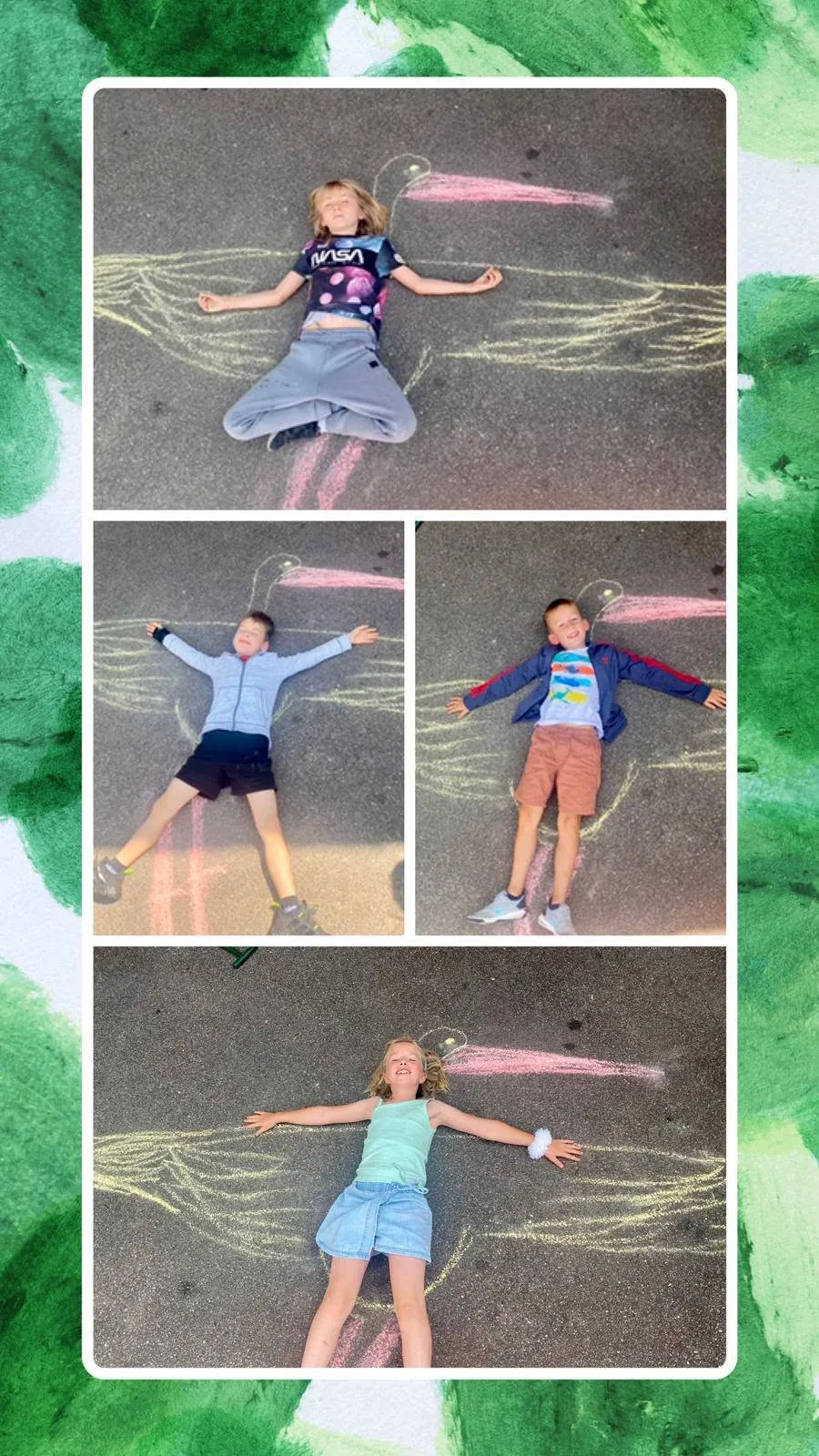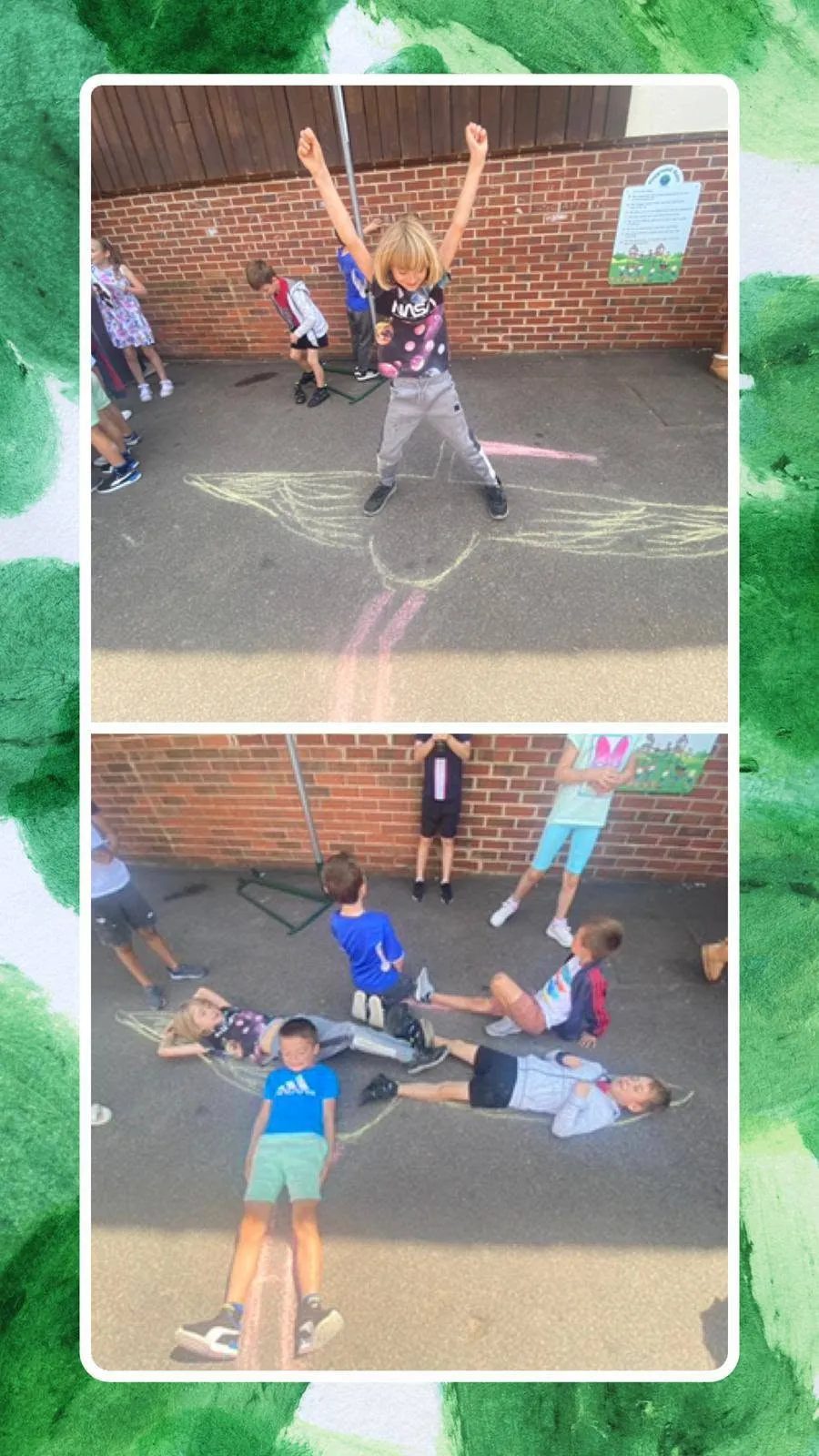


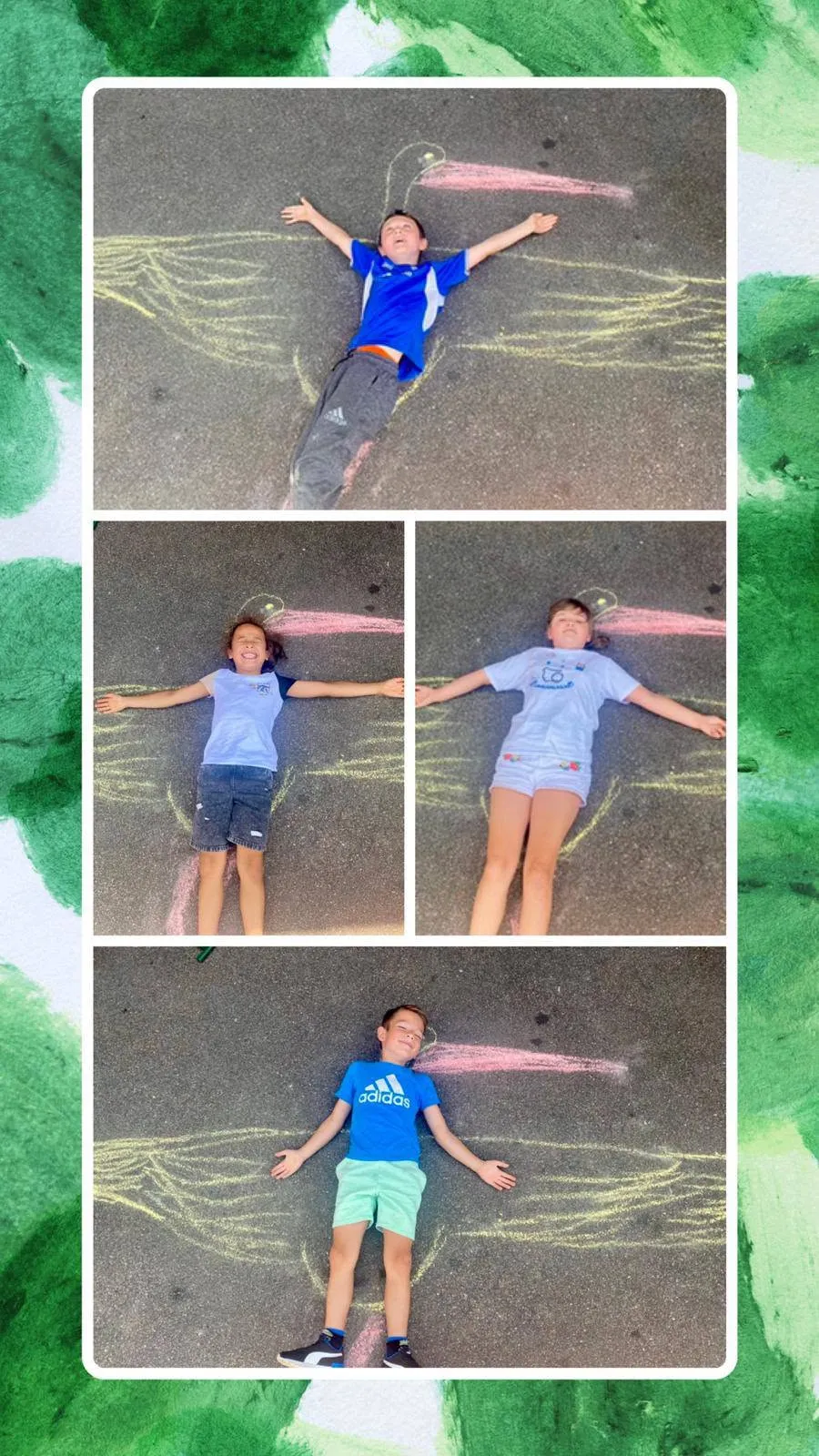
Does the stork bring good luck? Are frogs its favourite treat? Or perhaps it is the stork that brings babies? The pupils looked for the answers to these and other questions during a lesson devoted to a bird regarded as one of the symbols of Poland.
For generations the white stork has been part of life in the Polish countryside, and its nests, which grow bigger year after year, can be seen on roofs, poles and trees. According to folk belief, a nest on the roof brings good luck to the household, and old tales also credit storks with bringing babies. Several tens of thousands of pairs of white storks nest in Poland every year – one of the largest populations of the species in the world. Contrary to popular belief, frogs make up only part of the stork's diet: these birds are also happy to eat insects, earthworms and small rodents. Storks spend the spring and summer in Poland, and at the end of August they fly off to their wintering grounds in Africa.
The lesson also included a joint experiment. Together with the children, a life-size stork was drawn in coloured chalk on the school playground, and the pupils lay down beside the drawing to compare its size and wingspan with their own height and the reach of their outstretched arms. A comparison like this shows the scale well: an adult white stork stands about a metre tall, and its wingspan reaches roughly two metres.
It was a wonderful exercise that also brought plenty of laughter.